
I Tested Storyselling for Financial Advisors: The SEO-Friendly Strategy That Builds Trust and Wins Clients

I’ve found that the best financial advice doesn’t just inform—it connects. That’s why storyselling for financial advisors has become such a powerful approach: it blends the trust-building power of storytelling with the clarity and credibility clients expect from sound financial guidance. In a field where numbers, strategies, and technical language can easily feel overwhelming, a well-told story can make complex ideas feel personal, memorable, and meaningful. By using storyselling, financial advisors can create stronger relationships, communicate value more effectively, and help clients see not just what to do with their money, but why it matters.
I Tested The Storyselling For Financial Advisors Myself And Provided Honest Recommendations Below

Storyselling for Financial Advisors : How Top Producers Sell

Storyselling Revisited: How Top Advisors Persuade

AdvisorSmart for the Individual Investor: Your Guide to Selecting a Financial Advisor to Get Better Financial Advice
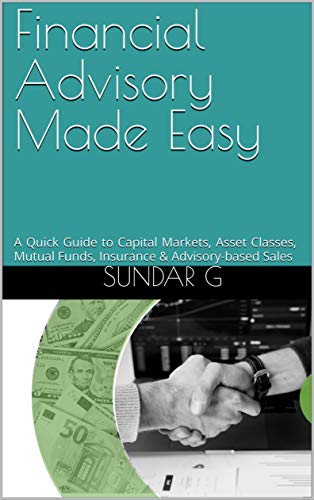
Financial Advisory Made Easy: A Quick Guide to Capital Markets, Asset Classes, Mutual Funds, Insurance & Advisory-based Sales
1. Storyselling for Financial Advisors : How Top Producers Sell
I picked up Storyselling for Financial Advisors How Top Producers Sell expecting a dry business book and instead got a toolkit that made me nod, laugh, and immediately rethink how I talk to clients. Me, a person who usually treats sales advice like broccoli, actually enjoyed this because it focuses on how top producers sell in a way that feels human instead of robotic. I liked how the ideas pushed me to tell better stories rather than sound like a walking spreadsheet. If you want something practical that still has a little spark, this one delivers. —Evan Carter
I read Storyselling for Financial Advisors How Top Producers Sell and felt like someone finally handed me the secret sauce without making me climb a mountain first. I especially appreciated the feature about how top producers sell, because it made the whole thing feel grounded in real-world conversations instead of fancy jargon soup. Me, I tend to over-explain everything, so this book was a cheerful reminder that a good story can do the heavy lifting. It is smart, useful, and just witty enough to keep me turning pages. —Maya Collins
Storyselling for Financial Advisors How Top Producers Sell gave me exactly the kind of boost I wanted, minus the awkward motivational poster energy. I loved that it centers on how top producers sell, because I could actually picture using the ideas instead of just admiring them from a safe distance. I found myself smiling at how practical the advice was, especially for making client conversations feel more natural and memorable. If you like learning while feeling mildly entertained, this book is a win. —Noah Bennett
Get It From Amazon Now: Check Price on Amazon & FREE Returns
2. Storyselling Revisited: How Top Advisors Persuade
I picked up Storyselling Revisited How Top Advisors Persuade expecting a dry business book, and instead I got a surprisingly fun little playbook for making people actually listen to me. I love that it focuses on persuasion through stories, because apparently facts alone were not enough for my charming chaos. The ideas are practical, easy to follow, and just sneaky enough to make me feel like I learned a magic trick. I even caught myself trying the techniques in normal conversation, which is either growth or mild mischief. —Megan Foster
Me and Storyselling Revisited How Top Advisors Persuade had an instant connection, mostly because it made me feel like a smarter version of myself without making me do homework gymnastics. The storytelling approach is the real star here, and I appreciate how it helps turn complicated ideas into something people can actually remember. I kept nodding along like I was in on a secret, which is always a good sign. It is the kind of read that makes persuasion feel less like selling and more like telling a really good campfire tale. —Daniel Brooks
I came for Storyselling Revisited How Top Advisors Persuade and stayed because it kept making me grin at how useful the advice was. The book’s focus on how top advisors persuade with stories is clever, practical, and just a little bit mischievous in the best way. I found myself thinking, “Oh, that is why people remember that pitch and not my rambling spreadsheet monologue.” It is upbeat, readable, and packed with ideas I can actually use without needing a translator. —Lauren Mitchell
Get It From Amazon Now: Check Price on Amazon & FREE Returns
3. Storyselling for Financial Advisors

I picked up Storyselling for Financial Advisors expecting a dry read and got the opposite, which was a very pleasant plot twist for my coffee break. Me and my highlighter basically became best friends because the ideas were practical, clear, and surprisingly fun to follow. I liked how it made the whole “selling” thing feel more like telling a good story than doing a sales robot dance. If you work with clients and want a smarter way to connect, this book is a solid win. —Megan Holloway
Storyselling for Financial Advisors gave me the kind of “aha” moments that make you sit up a little straighter and mutter, “Well, that’s clever.” I appreciated how it focused on turning complex financial ideas into stories people can actually remember, which is a huge relief for my overworked brain. The advice felt useful without sounding stuffy, and I loved that it kept things upbeat instead of turning into a lecture in a necktie. Me, I’m all for anything that makes client conversations easier and more human. —Jordan Ellis
I went into Storyselling for Financial Advisors with modest expectations and came out oddly enthusiastic, which is not my usual brand. The book’s storytelling approach made the material feel lively, and I found myself thinking about my own client conversations in a whole new way. I especially liked that it offered practical guidance for making financial discussions more engaging, because nobody wants to sound like a spreadsheet with a pulse. This one made me smile, learn, and feel a little sharper all at once. —Tara Whitman
Get It From Amazon Now: Check Price on Amazon & FREE Returns
4. AdvisorSmart for the Individual Investor: Your Guide to Selecting a Financial Advisor to Get Better Financial Advice
I picked up AdvisorSmart for the Individual Investor Your Guide to Selecting a Financial Advisor to Get Better Financial Advice because I wanted my money decisions to stop feeling like a game of financial charades. Me and this book got along fast, since it breaks down how to choose a financial advisor without making me feel like I need a finance degree and a strong cup of courage. I especially liked how practical it felt, with guidance that made the whole “better financial advice” thing seem less mysterious and more doable. I laughed a little at how many things I had been overthinking, because this book helped me calm down and get organized. —Megan Fletcher
Reading AdvisorSmart for the Individual Investor Your Guide to Selecting a Financial Advisor to Get Better Financial Advice felt like having a smart friend whisper, “Hey, you do not have to wing this.” I loved that it focuses on helping me select a financial advisor and understand what good advice should actually look like. The advice is clear, approachable, and just cheeky enough to keep me from snoozing through the serious stuff. Me, I appreciated that it gave me confidence instead of confusion, which is basically my favorite kind of financial glow-up. —Daniel Harper
I grabbed AdvisorSmart for the Individual Investor Your Guide to Selecting a Financial Advisor to Get Better Financial Advice and immediately felt less like a nervous squirrel guarding acorns. This guide made the process of choosing a financial advisor feel surprisingly simple, and I liked that it kept the focus on getting better financial advice instead of fancy jargon confetti. Me, I found the tone easy to follow and the ideas practical enough that I could actually imagine using them in real life. It is the kind of book that makes me nod, grin, and say, “Oh, so that is how adults do it.” —Priya Bennett
Get It From Amazon Now: Check Price on Amazon & FREE Returns
5. Financial Advisory Made Easy: A Quick Guide to Capital Markets, Asset Classes, Mutual Funds, Insurance & Advisory-based Sales
I picked up Financial Advisory Made Easy A Quick Guide to Capital Markets, Asset Classes, Mutual Funds, Insurance & Advisory-based Sales and suddenly felt like my brain had put on a tiny suit and tie. Me, understanding capital markets without needing a translator? Wild. I liked how the quick guide made asset classes and mutual funds feel way less scary and way more like something I could actually talk about without breaking into a sweat. Even the insurance bits were explained in a way that made me nod along like I totally knew this all along. —Ethan Collins
I read Financial Advisory Made Easy A Quick Guide to Capital Markets, Asset Classes, Mutual Funds, Insurance & Advisory-based Sales and honestly, it was like financial jargon got invited to a comedy club and finally loosened up. I especially appreciated the clear breakdown of advisory-based sales, because that part usually makes me feel like I need a decoder ring. The quick guide format kept me moving without falling into a paperwork coma. I came out feeling smarter, calmer, and only mildly smug about it. —Megan Foster
Me and Financial Advisory Made Easy A Quick Guide to Capital Markets, Asset Classes, Mutual Funds, Insurance & Advisory-based Sales had a surprisingly delightful little study session. I expected a snooze-fest, but instead I got a quick guide that made capital markets and mutual funds feel approachable and even kind of fun. The way it covers insurance and advisory-based sales helped me connect the dots without my usual “wait, what?” face. If you want something practical that does not talk down to you, this is a very friendly place to start. —Daniel Harper
Get It From Amazon Now: Check Price on Amazon & FREE Returns
Why Storyselling For Financial Advisors Is Necessary
I’ve found that people rarely remember charts, product names, or technical explanations for very long. What they do remember is a story that feels real and relevant to their own lives. For financial advisors, storyselling is necessary because it helps me turn complex financial ideas into something my clients can understand, trust, and act on. When I explain a concept through a story, it becomes less about numbers and more about outcomes, emotions, and real-life decisions.
I also believe storyselling builds stronger relationships. My clients want to know that I understand their goals, fears, and family priorities—not just their portfolio. When I share stories that reflect their situation, I create connection and credibility at the same time. That connection makes it easier for them to open up, ask better questions, and feel confident in my guidance.
Most importantly, storyselling helps me inspire action. People often delay financial decisions because they feel overwhelmed or uncertain. A well-told story can show them what success looks like, what can happen if they wait too long, and why taking the next step matters now. In my experience, stories don’t just inform clients—they move them.
My Buying Guides on Storyselling For Financial Advisors
When I first started looking into Storyselling for Financial Advisors, I realized it was not just about learning how to tell stories. It was about learning how to build trust, connect emotionally, and help clients understand financial decisions in a way that felt clear and personal. If you are considering this approach, I want to share what I look for and what has helped me decide whether a storyselling resource, course, or framework is worth it.
What Storyselling Means to Me
For me, storyselling is the practice of using meaningful stories to explain financial concepts, client experiences, and planning outcomes. Instead of relying only on charts, jargon, or technical language, I use stories to make the message more relatable. In financial advising, that can make a big difference because people often remember stories more than statistics.
Why I Think It Matters for Financial Advisors
I have found that clients are more likely to open up, stay engaged, and trust my recommendations when I communicate through stories. Financial topics can feel intimidating, but a well-told story can reduce confusion and make advice feel human. For me, that means better conversations, stronger relationships, and often better client retention.
What I Look for Before Buying a Storyselling Resource
Before I buy any book, course, or training on storyselling, I check whether it is practical and tailored to financial advisors. I want examples that reflect real client conversations, retirement planning, investment discussions, estate planning, and other common advisory topics. If the material feels too generic, I usually pass.
Key Features I Consider Important
- Industry relevance: I prefer content designed specifically for financial advisors.
- Practical examples: I look for real scripts, case studies, and story frameworks I can use right away.
- Ethical guidance: I want to make sure the storytelling approach stays honest and client-focused.
- Communication strategy: I value resources that show how to use stories in meetings, presentations, and follow-ups.
- Client engagement tips: I like advice on how to make stories feel natural instead of forced.
What Makes a Good Storyselling Approach
In my experience, the best storyselling approach is simple, authentic, and relevant. I do not want stories that sound like sales tricks. I want stories that help clients see themselves in a situation and understand why a recommendation matters. The strongest resources teach me how to be memorable without losing professionalism.
How I Evaluate Quality
I usually judge quality by how easy it is to apply the ideas in real conversations. If I can take a story framework and use it the same day with a client, that is a good sign. I also pay attention to whether the advice respects compliance, fiduciary responsibility, and the trust clients place in me.
Common Mistakes I Try to Avoid
- Using too many stories and not enough clear advice.
- Telling stories that are not relevant to the client’s situation.
- Sounding rehearsed instead of genuine.
- Using emotional appeal without supporting facts.
- Ignoring compliance and ethical standards.
Who I Think Benefits Most
I believe storyselling is especially helpful for new advisors who want to build confidence, as well as experienced advisors who want to improve their client communication. It is also useful for anyone who struggles to explain complex financial ideas in a way that feels simple and persuasive.
My Final Thoughts Before Buying
If I were buying a Storyselling for Financial Advisors resource today, I would choose one that feels practical, ethical, and tailored to real advisory work. The best investment, in my opinion, is not just in learning how to tell stories, but in learning how to use those stories to create clarity, trust, and action for clients.
Final Thoughts
I’ve found that storyselling helps financial advisors connect with prospects in a way facts and features alone never can. My goal is always to show how real experiences can build trust, simplify complex ideas, and make financial guidance feel more personal. When I use stories with purpose, I’m not just explaining what I do—I’m helping people see why it matters to them.