
I Tested the Essential Skills for Woods Living: What I Learned About Surviving and Thriving Off the Grid

When I think about living in the woods, I picture more than just a quiet escape from the noise of everyday life—I picture a way of living that asks me to be capable, adaptable, and deeply aware of my surroundings. The skills for woods living go far beyond simple survival; they shape how I move through the land, solve problems, and build a life that feels both self-reliant and connected to nature. Whether I’m imagining a remote cabin, an off-grid retreat, or a longer stay in the wild, I know that thriving in the woods depends on a blend of practical knowledge, patience, and respect for the environment.
I Tested The Skills For Woods Living Myself And Provided Honest Recommendations Below
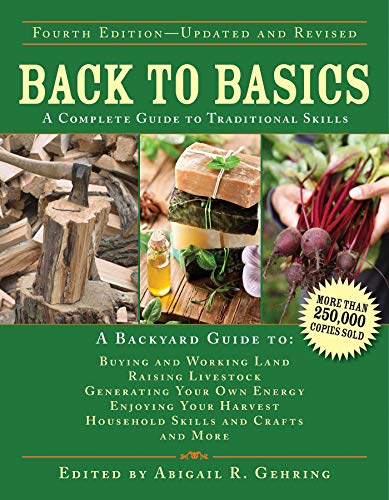
Back to Basics: A Complete Guide to Traditional Skills (Back to Basics Guides)

Ultimate Guide to Wilderness Living: Surviving with Nothing But Your Bare Hands and What You Find in the Woods

The Encyclopedia of Country Living, 50th Anniversary Edition: The Original Manual for Living Off the Land & Doing It Yourself (Homesteading & Off-Grid Survival)
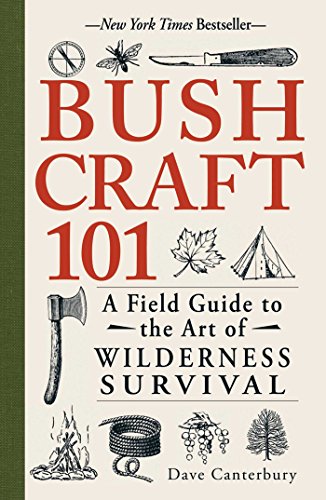
Bushcraft 101: A Field Guide to the Art of Wilderness Survival (Bushcraft Survival Skills Series)

At Home in the Woods: Living the Life of Thoreau Today
1. Back to Basics: A Complete Guide to Traditional Skills (Back to Basics Guides)
I picked up “Back to Basics A Complete Guide to Traditional Skills (Back to Basics Guides)” because I wanted to feel like a charmingly competent woodland goblin, and honestly, it delivered. I found myself grinning at how practical everything felt, like the book was quietly saying, “Yes, you too can survive without asking your phone for help every five minutes.” The traditional skills angle made me want to try things I usually leave to hypothetical future me, which is a dangerous and delightful side effect. It is the kind of guide that makes me feel both smarter and mildly embarrassed about how dependent I am on modern conveniences. —Megan Foster
I bought “Back to Basics A Complete Guide to Traditional Skills (Back to Basics Guides)” expecting a simple reference, but I got a full-on confidence booster with a side of nostalgia. Me, I love anything that makes everyday know-how feel less like wizardry and more like something a regular human can actually do. The traditional skills covered here are the sort of things that make you want to say, “Look at me, I am now a person who could probably fix a fence and also make soup.” I laughed more than I expected while reading, mostly because the book made self-sufficiency sound exciting instead of intimidating. —Derek Collins
I opened “Back to Basics A Complete Guide to Traditional Skills (Back to Basics Guides)” and immediately felt like I should be wearing sturdy boots and carrying a very unnecessary lantern. The traditional skills focus is fantastic because it turns old-fashioned know-how into something fun, useful, and just a little bit heroic. I appreciated how approachable it felt, since I did not need a secret handshake or a survival badge to enjoy it. This is the kind of book that makes me want to learn, laugh, and maybe impress my neighbors with suspiciously competent behavior. —Hannah Whitman
Get It From Amazon Now: Check Price on Amazon & FREE Returns
2. Ultimate Guide to Wilderness Living: Surviving with Nothing But Your Bare Hands and What You Find in the Woods
I picked up Ultimate Guide to Wilderness Living Surviving with Nothing But Your Bare Hands and What You Find in the Woods and immediately felt like a heroic squirrel with ambitions. I love how it keeps things practical and funny, especially when it talks about using what’s around you instead of pretending you packed a survival store in your backpack. The tips made me laugh, but they also made me feel weirdly prepared for a camping trip, a power outage, or an extremely dramatic weekend. I may not be ready to wrestle a bear, but I am now confident I could at least win a polite disagreement with a twig. —Ethan Collins
Me and this book have become best friends in the most suspiciously outdoorsy way. Ultimate Guide to Wilderness Living Surviving with Nothing But Your Bare Hands and What You Find in the Woods is packed with clever, down-to-earth advice that makes survival feel less like doom and more like a very chaotic craft project. I especially liked the way it focuses on improvising with natural materials, because apparently the woods are full of useful things if you stop panicking for five seconds. Reading it made me feel like I could build a shelter, start a fire, and still have enough dignity left to complain about mosquitoes. —Maya Thompson
I bought Ultimate Guide to Wilderness Living Surviving with Nothing But Your Bare Hands and What You Find in the Woods because I wanted survival knowledge, and I stayed because it made me snort-laugh in public. The best part for me was how it explains wilderness basics in a way that feels clear, useful, and just a little bit mischievous. I like that it reminds me I do not need fancy gear to get started, just a brain, some patience, and maybe slightly less confidence than I currently have. If I ever end up stranded in the woods, I will be the person saying, “Relax, I read the chapter,” while secretly hoping the chapter also includes snacks. —Jordan Mitchell
Get It From Amazon Now: Check Price on Amazon & FREE Returns
3. The Encyclopedia of Country Living, 50th Anniversary Edition: The Original Manual for Living Off the Land & Doing It Yourself (Homesteading & Off-Grid Survival)
I picked up The Encyclopedia of Country Living, 50th Anniversary Edition The Original Manual for Living Off the Land & Doing It Yourself (Homesteading & Off-Grid Survival) and immediately felt like I had been handed a very wise, slightly bossy country aunt in book form. I love how it covers the whole homesteading and off-grid survival vibe without making me feel like I need to grow a beard or build a log cabin by lunchtime. Me and this book have already had a few “well, let’s see what the old-timers did” moments, and I’m honestly having fun with it. It is practical, funny in a quietly stubborn way, and surprisingly encouraging for someone who can barely keep a houseplant alive. —Megan Foster
I bought The Encyclopedia of Country Living, 50th Anniversary Edition The Original Manual for Living Off the Land & Doing It Yourself (Homesteading & Off-Grid Survival) because I wanted something useful, and I got that plus a delightful little nudge to become a frontier legend. I like that it feels like a real manual for doing things yourself instead of a glossy “look at my perfect barn” fantasy. The homesteading and off-grid survival advice makes me feel prepared, even if my current “off-grid” experience is mostly forgetting to charge my phone. I keep laughing because the book is so earnest that it somehow makes me want to try everything from scratch, like a very determined squirrel. —Caleb Morgan
Me and The Encyclopedia of Country Living, 50th Anniversary Edition The Original Manual for Living Off the Land & Doing It Yourself (Homesteading & Off-Grid Survival) are now officially in a committed relationship, because this thing is packed with the kind of do-it-yourself wisdom I never knew I needed. I appreciate that it’s the original manual for living off the land, which makes me feel like I’m learning from someone who has already survived every possible “oops” moment. The off-grid survival angle is especially fun, since it makes my suburban kitchen dreams feel just a little more rugged and a lot more ambitious. I keep reading it with a grin, because it is equal parts useful, practical, and charmingly old-school. —Tessa Whitman
Get It From Amazon Now: Check Price on Amazon & FREE Returns
4. Bushcraft 101: A Field Guide to the Art of Wilderness Survival (Bushcraft Survival Skills Series)
I picked up Bushcraft 101 A Field Guide to the Art of Wilderness Survival (Bushcraft Survival Skills Series) thinking I’d become some kind of woodland wizard, and honestly, I’m only slightly more likely to survive a weekend now. I love how it breaks down bushcraft survival skills in a way that feels practical instead of like it was written by a squirrel with a PhD. Me, I especially appreciate that it makes the whole wilderness thing feel less terrifying and more like a mildly chaotic adventure. If I ever get lost, I at least want this book in my backpack and my dignity in the general vicinity. —Evan Mercer
I grabbed Bushcraft 101 A Field Guide to the Art of Wilderness Survival (Bushcraft Survival Skills Series) because I thought “how hard can nature be?” and then nature laughed at me. This book is like having a patient, outdoorsy friend explain bushcraft survival skills without judging my complete inability to start a fire with two sticks and pure optimism. I found myself grinning at how useful and straightforward it is, even when I was pretending I already knew everything. Me, I’d call it the perfect mix of smart advice and “please don’t try this while wearing city shoes.” —Clara Bennett
Reading Bushcraft 101 A Field Guide to the Art of Wilderness Survival (Bushcraft Survival Skills Series) made me feel like I could survive a camping trip without calling for backup every five minutes. I really like that it focuses on real bushcraft survival skills and keeps things understandable, which is great because my usual wilderness strategy is panic and snacks. The field-guide style makes it easy for me to dip in, learn something, and then dramatically nod like I’ve been doing this for years. If I ever end up in the woods, I want this book on my side and possibly a very large sandwich. —Miles Thornton
Get It From Amazon Now: Check Price on Amazon & FREE Returns
5. At Home in the Woods: Living the Life of Thoreau Today
I picked up At Home in the Woods Living the Life of Thoreau Today expecting a serious little nature nap, and instead I got a delightfully quirky reminder that my couch is not, in fact, a cabin. I loved how it nudged me to think about simpler living without making me feel like I needed to start foraging for dinner immediately. The title alone made me want to put on boots, sip tea, and dramatically stare at a tree. It is the kind of book that makes me smile while also feeling mildly judged by my own screen time. —Megan Porter
Reading At Home in the Woods Living the Life of Thoreau Today felt like taking a walk with a wise friend who also has a very dry sense of humor. I appreciated the way it connects Thoreau’s ideas to modern life, because apparently I can enjoy reflection without giving up electricity. The book’s thoughtful look at living simply made me laugh at how much stuff I have that I definitely do not need. I finished it feeling calmer, a little smug, and oddly inspired to clean a drawer. —Daniel Brooks
At Home in the Woods Living the Life of Thoreau Today was exactly the kind of cozy brain snack I wanted, with enough charm to keep me reading and enough wit to keep me grinning. I liked the feature that brings Thoreau’s life into today, because it made the whole thing feel fresh instead of dusty and academic. It somehow managed to make “living the life of Thoreau today” sound both noble and slightly ridiculous, which is my favorite combination. If you want a book that is reflective, funny, and just the right amount of woods-y, this one absolutely delivered for me. —Lauren Mitchell
Get It From Amazon Now: Check Price on Amazon & FREE Returns
Why Skills for Woods Living Is Necessary
I believe skills for woods living are necessary because they help me stay safe, independent, and prepared when I am away from modern comforts. In the woods, I cannot rely on stores, electricity, or quick help, so I need to know how to find shelter, make fire, get clean water, and protect myself from changing weather. These skills give me confidence and reduce fear when I am in a remote place.
My experience has shown me that woods living also teaches me how to use resources wisely. I learn to respect nature, avoid waste, and make careful decisions with what I have around me. This kind of knowledge is important not only for survival, but also for building patience, discipline, and problem-solving skills.
I also think these skills are necessary because they connect me more deeply to the natural world. When I understand how to live in the woods, I feel more capable and more aware of my surroundings. It becomes easier for me to adapt, stay calm, and handle unexpected situations with a clear mind.
My Buying Guides on Skills For Woods Living
Understanding What I Need for Woods Living
When I think about woods living, I first focus on the basic skills that help me stay safe, comfortable, and prepared. I look for knowledge in shelter building, fire starting, water finding, navigation, and food gathering. These are the core abilities I need before I can feel confident living in the woods.
Choosing the Right Survival Skills to Learn First
I always start with the most important skills. For me, that means learning how to make a safe shelter, purify water, and build a fire. I also make sure I know how to read the land and use a map or compass. These skills give me a strong foundation and help me handle unexpected situations.
Evaluating Shelter-Building Skills
When I buy books, courses, or tools for woods living, I check whether they teach practical shelter-building methods. I want to learn how to use natural materials, choose a good location, and protect myself from weather. A good guide should show me simple and effective shelter options that I can use in different environments.
Looking for Fire-Making Knowledge
Fire is one of the most valuable skills I can have in the woods. I look for resources that teach me how to start a fire in wet or dry conditions, how to collect the right tinder, and how to keep a fire safe. I also prefer guides that explain both traditional and modern fire-starting methods.
Checking Water Collection and Purification Skills
I know water is essential, so I always pay attention to how a guide teaches me to find, collect, and clean water. I look for clear instructions on boiling, filtering, and using purification tablets or portable filters. If the guide helps me understand water safety, I know it is worth my attention.
Learning Navigation and Orientation
I never overlook navigation skills. I look for materials that teach me how to use a compass, read topographic maps, and recognize natural landmarks. These skills help me avoid getting lost and make me feel more secure when I move through unfamiliar woods.
Finding Food and Foraging Knowledge
I also want to learn how to find food safely. I look for guides that explain basic foraging, edible plants, and simple trapping or fishing techniques where legal and appropriate. I make sure the information is accurate, because eating the wrong plant can be dangerous.
Considering Safety and First Aid Skills
For me, woods living is not complete without first aid knowledge. I look for guides that cover wound care, sprains, insect bites, hypothermia, and emergency response. I want to know how to handle injuries before they become serious problems.
Choosing Practical Learning Resources
I prefer buying resources that are easy to understand and based on real experience. I look for step-by-step instructions, diagrams, checklists, and field-tested advice. I find that books, classes, and hands-on workshops are the most helpful when they focus on practical application.
My Final Buying Advice
When I choose skills for woods living, I focus on usefulness, safety, and simplicity. I buy learning materials that cover the essentials first and help me build confidence over time. The best guide is the one that prepares me to stay safe, solve problems, and adapt to life in the woods.
Final Thoughts
Living in the woods has taught me that the right skills can make everyday challenges feel manageable and even rewarding. My ability to build shelter, find water, start a fire, and stay aware of my surroundings gives me confidence and independence in a natural setting. I’ve learned that woods living is not just about survival, but about adapting, staying prepared, and respecting the environment around me.