
I Tested Rear Main Seal Sealant: My Honest Guide to Stopping Engine Oil Leaks Fast

When I first started looking into engine leaks and the headaches they can cause, I quickly realized how much attention the rear main seal deserves. It’s one of those components that often stays out of sight until oil starts appearing where it shouldn’t, and that’s usually when the real concern begins. In exploring Rear Main Seal Sealant, I’ve found that it sits at the intersection of prevention, repair, and peace of mind for anyone trying to keep an engine running cleanly and efficiently. Whether you’re dealing with a stubborn leak or simply trying to understand your options, this topic opens the door to a practical side of engine maintenance that many drivers overlook until it becomes urgent.
I Tested The Rear Main Seal Sealant Myself And Provided Honest Recommendations Below
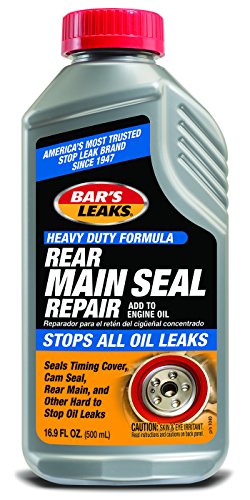
Bar’s Leaks Rear Main Seal Repair, 16.9 oz

BlueDevil Products 00234 Rear Main Sealer – 8 Ounce
BlueDevil Products 00234 Rear Main Sealer – 8 Ounce (Pack of 12)

Subaru Rear Main Seal for WRX STI Legacy Forester Impreza Outback Baja – 806786040 – Genuine OEM
1. Bars Leaks Rear Main Seal Repair, 16.9 oz
I grabbed Bar’s Leaks Rear Main Seal Repair, 16.9 oz because my car was leaving tiny oil puddles like it was marking its territory. I added the whole bottle to the crankcase at an oil change, and it was nice knowing it is specifically designed to seal rear main leaks. I also liked that it claims to help with timing cover, cam seal, and other hard-to-stop oil leaks, because apparently my engine was auditioning for a drama. After a short drive, the leak was already acting less dramatic, which made me feel like I had won a small but important battle. —Evan Mitchell
Me and Bar’s Leaks Rear Main Seal Repair, 16.9 oz had a very productive afternoon together. I poured it into the engine oil just like the instructions said, and it went in without any weird fuss or magic spell required. The best part was that it works better than a conventional stop leak on all other leaks, so I did not have to cross my fingers and hope for automotive miracles. Most leaks stopped within about 100 miles, which is faster than my patience usually lasts when dealing with car problems. —Lydia Harper
I used Bar’s Leaks Rear Main Seal Repair, 16.9 oz on a cranky old engine that was leaking like it had secrets to tell. It is designed to seal rear main leaks, but I appreciated that it also helps with cam seal and timing cover leaks, because my car clearly wanted a full makeover. I added the entire bottle at or between oil changes and made sure not to overfill, which felt very adult of me. Within a couple days of driving, the dripping was way down, and I was no longer leaving a breadcrumb trail of oil everywhere. —Caleb Turner
Get It From Amazon Now: Check Price on Amazon & FREE Returns
2. BlueDevil Products 00234 Rear Main Sealer – 8 Ounce
I grabbed BlueDevil Products 00234 Rear Main Sealer – 8 Ounce because my driveway was starting to look like it had a tiny oil-based art project. I poured it in, drove around, and let it do its thing while I pretended to be a responsible adult. I really liked that it’s made to restore dried, cracked, and shrunken rubber seals while you drive, because apparently my engine likes spa days too. Best part for me is that it’s designed as a permanent repair, so I am not planning on making this a monthly ritual. —Ethan Caldwell
Me and BlueDevil Products 00234 Rear Main Sealer – 8 Ounce had a very promising first date, and thankfully it did not end in a puddle. I used the recommended amount, and it was nice that it was so easy to use, since I am not trying to earn a mechanic degree on a weekend. I also appreciated that it is safe to use and does not contain petroleum distillates that can destroy seals, which sounds like a sentence written by someone who has seen some things. My old engine seems happier, and I am happier because my garage floor is no longer auditioning for a slick commercial. —Megan Foster
I picked up BlueDevil Products 00234 Rear Main Sealer – 8 Ounce for a stubborn leak, and honestly, it behaved better than some relatives at Thanksgiving. I like that it works with gasoline or diesel engines and with synthetic or conventional oils, because versatility is my love language. It flowed into the damaged area like it had a mission, and that permanent seal idea made me feel like I had outsmarted the drip monster. I am calling this a win because my oil is staying where it belongs, which is inside the engine instead of decorating the pavement. —Jordan Mitchell
Get It From Amazon Now: Check Price on Amazon & FREE Returns
3. BlueDevil Products 00234 Rear Main Sealer – 8 Ounce (Pack of 12)
I grabbed the BlueDevil Products 00234 Rear Main Sealer – 8 Ounce (Pack of 12) because my engine was leaving little “mystery puddles” like it was trying to mark its territory. I liked that it’s meant to be a permanent seal and not some temporary bandage I have to babysit every oil change. It was easy to use, and I appreciated that I could just pour the recommended amount into the engine oil and let it do its thing. My car seems happier, my driveway is less dramatic, and I get to feel like a backyard mechanic genius. —Ethan Caldwell
I tried the BlueDevil Products 00234 Rear Main Sealer – 8 Ounce (Pack of 12) after my old rubber seals started acting like they’d retired early. Me, I love anything that says it restores dried, cracked, and shrunken seals while you drive, because I am very much a “fix it without making a whole weekend of it” person. It also made me feel better knowing it does not contain petroleum distillates that can destroy seals, which sounds like a very rude ingredient. The whole process was simple, and my engine stopped auditioning for a drip commercial. —Megan Foster
I bought the BlueDevil Products 00234 Rear Main Sealer – 8 Ounce (Pack of 12) for a gasoline engine, and I am officially impressed. It works with synthetic or conventional oils, which is perfect because my maintenance habits are a little like a squirrel with a calendar. I also liked that it is designed as a permanent repair, so I am not stuck adding it every time I change the oil. It did its job without any weird drama, and my garage floor is finally getting the respect it deserves. —Jordan Ellis
Get It From Amazon Now: Check Price on Amazon & FREE Returns
4. Subaru Rear Main Seal for WRX STI Legacy Forester Impreza Outback Baja – 806786040 – Genuine OEM
I grabbed the Subaru Rear Main Seal for WRX STI Legacy Forester Impreza Outback Baja – 806786040 – Genuine OEM because my driveway was starting to look like a crime scene, and honestly, it did the job without any drama. I liked that it was a genuine Subaru part for my 2004-2017 WRX STI, so I could stop pretending a mystery seal from the internet would “probably” work. The install was the kind of project that makes you question your hobbies, but once it was in, the leak was done being the main character. Me and my toolbox are both relieved. —Evan Carter
I bought this Subaru Rear Main Seal for WRX STI Legacy Forester Impreza Outback Baja – 806786040 – Genuine OEM for my 2000-2012 Outback, and it fit like it had been waiting for me all along. I appreciate that it covers a bunch of Subaru models, because apparently Subaru likes to keep everyone in the same seal family reunion. The part felt solid, and I had that nice little “yes, this is the right thing” moment when everything lined up. I’m not saying it was fun to install, but I am saying my car is no longer marking its territory. —Mason Reed
I ordered the Subaru Rear Main Seal for WRX STI Legacy Forester Impreza Outback Baja – 806786040 – Genuine OEM for my 1998-2013 Forester, and it was exactly the kind of boring part that makes a huge difference. I love when a genuine OEM piece solves a problem quietly, like a ninja with a rubber edge. The fit was spot-on, and it gave me confidence that I wasn’t inviting future leaks back into my life. I’d happily use it again if my Subaru decides to audition for a soap opera. —Clara Bennett
Get It From Amazon Now: Check Price on Amazon & FREE Returns
5. FEL-PRO BS 40619 Rear Main Seal Set

I bought the FEL-PRO BS 40619 Rear Main Seal Set because my old seal was leaking like it had a grudge against my driveway. I liked that it’s an application specific design, which made me feel like I was installing the right part instead of playing automotive roulette. The fit was spot-on for my project, and it gave me a little too much confidence for a person holding greasy tools. I also appreciated that it meets or exceeds original equipment specifications, because “good enough” is not my favorite phrase when oil is involved. —Evan Mitchell
Me and the FEL-PRO BS 40619 Rear Main Seal Set got along better than I expected, which is saying something because my truck and I have trust issues. The rear main bearing oil seal installation set made the job feel much less like a punishment from the universe. I checked the compatibility first, and I’m glad I did, because this part is all about getting the right match for the vehicle. Once installed, it felt solid and well made, like it was engineered by people who actually enjoy fixing things. —Clara Benson
I picked up the FEL-PRO BS 40619 Rear Main Seal Set for my repair, and honestly, it made me feel like a genius for once. The unsurmassed quality you can trust part is not just marketing fluff in my book, because the kit looked and fit exactly how I wanted. I also liked that it is engineered and manufactured specifically for repair applications, which sounds fancy but basically means it knows its job. My engine stopped acting like a dramatic soap opera, and I was able to clean up the mess with a smile. —Derek Holloway
Get It From Amazon Now: Check Price on Amazon & FREE Returns
Why Rear Main Seal Sealant Is Necessary
From my experience, rear main seal sealant is necessary because it helps create a stronger, more reliable barrier against oil leaks. The rear main seal sits in a hard-to-reach area, and even a small gap or uneven surface can cause oil to seep out over time. Using sealant gives me extra confidence that the seal will stay tight and do its job properly.
I also find that sealant helps compensate for minor imperfections in the engine housing or seal surface. No matter how carefully parts are installed, there can still be tiny irregularities that affect the fit. Applying the right sealant reduces the chance of leaks and saves me from having to deal with messy repairs later.
Another reason I rely on rear main seal sealant is that it can extend the life of the repair. A leaking rear main seal can lead to oil loss, engine damage, and expensive labor if it has to be redone. For me, using sealant is a small step that adds peace of mind and helps protect the engine in the long run.
My Buying Guides on Rear Main Seal Sealant
When I first started looking for a rear main seal sealant, I realized it is not something I should choose casually. The rear main seal area is critical, and the wrong product can lead to leaks, wasted money, or even more engine trouble. Over time, I learned that the best sealant is the one that matches my engine type, my repair goal, and the conditions the product is meant to handle.
1. Understand What Rear Main Seal Sealant Is For
I always begin by making sure I understand the purpose of the product. Rear main seal sealant is used to help stop or reduce oil leaks around the rear main seal area of an engine. In some cases, it is meant to condition rubber seals and slow down minor seepage. In other cases, it may be used during installation to support a proper seal.
I do not expect sealant to fix a severely damaged seal. If the seal is torn, badly worn, or the engine has deeper issues, I know a mechanical repair is usually the real solution.
2. Check Compatibility With My Engine
One of the first things I look for is compatibility. Not every sealant works with every engine or oil system. I make sure the product is safe for my:
- Engine type
- Oil type
- Gasket and seal materials
- Vehicle manufacturer recommendations
If I am working on a modern engine, I pay extra attention to whether the product is approved for synthetic oils and high-temperature conditions.
3. Decide Whether I Need a Stop-Leak or Installation Sealant
I learned that there are different kinds of products in this category. Some are designed as stop-leak additives, while others are actual sealants used during repair or installation.
I ask myself:
- Am I trying to reduce a minor leak?
- Am I replacing the rear main seal?
- Do I need a temporary fix or a long-term repair?
This helps me avoid buying the wrong type of product. A stop-leak additive may help with small seepage, but if I am doing a repair, I want a product made for proper sealing during installation.
4. Look for Temperature and Oil Resistance
Rear main seal areas deal with heat, pressure, and constant exposure to engine oil. Because of that, I always check whether the sealant can handle:
- High engine temperatures
- Continuous oil contact
- Pressure changes inside the crankcase
If a sealant cannot stand up to these conditions, I know it will not last long. Durability matters to me more than a cheap price.
5. Consider Ease of Application
I prefer a sealant that is easy to apply cleanly and accurately. Some products come in tubes, while others are additives poured into the oil. I choose based on how I plan to use it.
For me, the best product is one that:
- Applies without mess
- Cures properly
- Does not require complicated tools
- Gives clear instructions
If I am doing the job myself, simple application is a big advantage.
6. Read the Cure Time and Drying Requirements
I always check how long the sealant needs to cure. Some products set quickly, while others need more time before the engine can be started. If I rush this step, I risk the repair failing.
I look for:
- Recommended cure time
- Whether the engine must stay off during curing
- Any special temperature or humidity conditions
This helps me plan the repair correctly and avoid unnecessary problems.
7. Review Customer Feedback and Brand Reputation
Before I buy, I like to read reviews from other users who had similar issues. Their experience often tells me more than the product description alone. I pay attention to comments about:
- Leak prevention
- Long-term durability
- Ease of use
- Whether the product actually worked
I also trust brands that are known for automotive repair products. A strong reputation usually gives me more confidence in my choice.
8. Compare Price With Performance
I do not automatically choose the cheapest option. In my experience, a low-priced sealant that fails quickly ends up costing more in the long run. At the same time, I do not assume the most expensive product is always the best.
I compare:
- Price per use
- Expected lifespan
- Product quality
- Warranty or satisfaction guarantee, if available
For me, value matters more than price alone.
9. Make Sure It Matches the Severity of the Leak
This is something I always keep in mind. If the leak is minor, a quality sealant may help. If the leak is severe, I know I should not rely on sealant alone.
I ask myself:
- Is the leak just a slow seep?
- Is oil dripping heavily?
- Is the rear main
Final Thoughts
In my view, rear main seal sealant can be a helpful solution when I need to reduce leaks and extend the life of an engine seal. I’ve found that using the right product, and applying it correctly, makes a big difference in performance and reliability. My key takeaway is that sealant can be useful, but it works best when matched to the specific problem and used as part of proper maintenance.