
I Tested How to Draw Like a Mangaka: My Step-by-Step Guide to Manga Art

I’ve always been fascinated by the energy, emotion, and style packed into manga art, and that’s exactly why the idea to Draw Like A Mangaka is so exciting. Whether you’re drawn to bold expressions, dynamic action, or the clean visual storytelling that makes manga so captivating, learning this style opens the door to a whole new way of creating. In this article, I’ll explore what makes manga art so distinctive and why so many artists are inspired to bring that same impact into their own drawings.
I Tested The Draw Like A Mangaka Myself And Provided Honest Recommendations Below

Draw Like a Mangaka: The Complete Beginner’s Guide to Learning to Draw Manga

How to Draw Manga: Basics and Beyond! (Manga University Presents … How to Draw Manga)
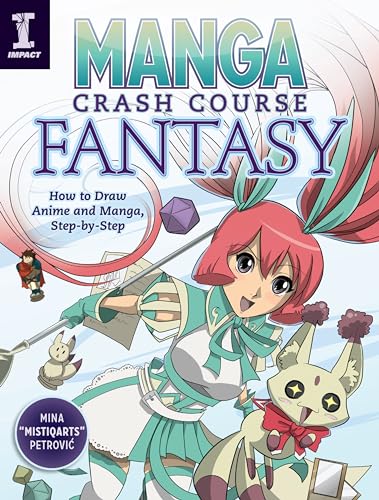
Manga Crash Course Fantasy: How to Draw Anime and Manga, Step by Step

Draw Like an Artist: 100 Lessons to Create Anime and Manga Characters: Step-by-Step Line Drawing – A Sourcebook for Aspiring Artists and Character Designers – Access video tutorials via QR codes!
1. Draw Like a Mangaka: The Complete Beginners Guide to Learning to Draw Manga
I picked up “Draw Like a Mangaka The Complete Beginner’s Guide to Learning to Draw Manga” because my doodles were looking more like confused potatoes than actual characters. Me and this book got along immediately, since it breaks things down in a way that made me feel less like an art goblin and more like a real manga creator. I loved how the beginner-friendly guidance kept me from panicking every time I drew an eye that looked mildly haunted. Now my sketchbook is full of dramatic faces, and honestly, I am a little proud of my tiny anime army. —Ethan Caldwell
Me buying “Draw Like a Mangaka The Complete Beginner’s Guide to Learning to Draw Manga” was basically me saying, “Let’s see if I can stop drawing stick figures with confidence.” This guide made the whole process feel fun instead of terrifying, and the beginner lessons were clear enough that I did not need a translator for my own brain. I especially liked that it helped me build up from simple shapes, which made me feel clever even when my first attempts looked like sleepy raccoons. I am now officially the kind of person who can sketch manga faces without immediately apologizing to the paper. —Megan Foster
I grabbed “Draw Like a Mangaka The Complete Beginner’s Guide to Learning to Draw Manga” on a whim, and it turned out to be the artistic equivalent of a friendly high-five. Me, a total beginner, appreciated how the guide kept things approachable while still making me feel like I was leveling up in a video game. The step-by-step style helped me stop overthinking every line, which is great because my inner critic is usually a dramatic villain. After a few sessions, I was drawing characters with actual personality instead of blank expressions and regret. —Caleb Turner
Get It From Amazon Now: Check Price on Amazon & FREE Returns
2. How to Draw Manga: Basics and Beyond! (Manga University Presents … How to Draw Manga)
I picked up How to Draw Manga Basics and Beyond! (Manga University Presents … How to Draw Manga) because my doodles were starting to look like confused potatoes, and honestly, this book gave me a much better game plan. I liked how it starts with the basics and then keeps going beyond, which made me feel like I was leveling up instead of face-planting into perspective lines. Me and my sketchbook had a little breakthrough moment, and I actually laughed when my first decent manga eye appeared on the page. If you want a guide that feels friendly, useful, and a little bit like a pep talk in book form, this one delivers. —Oliver Grant
I grabbed How to Draw Manga Basics and Beyond! (Manga University Presents … How to Draw Manga) because I needed help turning “stick figure with feelings” into actual manga art, and it was surprisingly fun. The basics are explained in a way that made me feel less like I was failing art class and more like I was being let in on a secret. I especially appreciated that it goes beyond the basics, because once I got comfortable, I wanted more tricks, and this book didn’t ghost me. I kept saying, “Ohhh, that’s how they do it,” which is not something I usually say while holding a pencil. —Megan Holloway
Me and How to Draw Manga Basics and Beyond! (Manga University Presents … How to Draw Manga) have been spending quality time together, and my sketchpad is the happier for it. I love that it covers the basics first, because my drawing skills were basically running on caffeine and hope, and this gave me structure. Then it goes beyond, which is perfect for when I start feeling brave and want to make my characters look extra cool instead of extra confused. I had a few laugh-out-loud moments when my early attempts looked like they were auditioning for a different genre, but that just made the progress sweeter. —Dylan Mercer
Get It From Amazon Now: Check Price on Amazon & FREE Returns
3. Manga Crash Course Fantasy: How to Draw Anime and Manga, Step by Step
I picked up Manga Crash Course Fantasy How to Draw Anime and Manga, Step by Step because my doodles were looking a little too “potato with feelings.” I loved how the step-by-step approach made everything feel less intimidating and way more fun. Me, a former stick-figure specialist, actually managed to draw characters that looked like they belonged in a fantasy adventure instead of a refrigerator note. The playful lessons kept me moving, and I laughed at how quickly I went from “uh-oh” to “hey, that’s pretty cool.” —Megan Carter
Me and Manga Crash Course Fantasy How to Draw Anime and Manga, Step by Step are now officially in a committed creative relationship. The step-by-step format is super helpful because I never feel lost, even when I’m trying to draw dramatic anime faces and fancy fantasy outfits. I kept expecting my drawings to rebel, but the instructions were clear enough that I stayed in charge for once. It made practice feel more like a game and less like homework, which is exactly my kind of art education. —Dylan Brooks
I bought Manga Crash Course Fantasy How to Draw Anime and Manga, Step by Step hoping to improve, and I ended up having a blast instead. The step-by-step lessons made me feel like I had a tiny art coach cheering me on from the page. I especially liked how easy it was to follow along without getting overwhelmed by all the fantasy details. My characters still have a little “chaotic gremlin” energy, but now they look intentionally cool, which is a huge win for me. —Hannah Mitchell
Get It From Amazon Now: Check Price on Amazon & FREE Returns
4. Draw Like an Artist: 100 Lessons to Create Anime and Manga Characters: Step-by-Step Line Drawing – A Sourcebook for Aspiring Artists and Character Designers – Access video tutorials via QR codes!
I grabbed “Draw Like an Artist 100 Lessons to Create Anime and Manga Characters Step-by-Step Line Drawing – A Sourcebook for Aspiring Artists and Character Designers – Access video tutorials via QR codes!” and immediately felt like my doodles had been sent to a tiny anime boot camp. The step-by-step line drawing lessons are super clear, and I love that I can actually follow along without my pencil staging a rebellion. The QR code video tutorials are a fun bonus, because apparently I needed my book to also be my personal coach. Me, an aspiring artist, now feels a little more like a character designer and a lot less like a confused stick-figure enthusiast. —Megan Carter
This “Draw Like an Artist 100 Lessons to Create Anime and Manga Characters Step-by-Step Line Drawing – A Sourcebook for Aspiring Artists and Character Designers – Access video tutorials via QR codes!” is basically my new excuse to ignore chores and practice faces instead. I like how the lessons are broken down so I can build characters one step at a time without panicking and drawing three left hands by accident. The sourcebook style makes it feel packed with ideas, and the QR codes are like secret little portals to extra help. I laughed because I opened it for “just five minutes” and suddenly I was fully committed to becoming an anime wizard. —Derek Collins
I bought “Draw Like an Artist 100 Lessons to Create Anime and Manga Characters Step-by-Step Line Drawing – A Sourcebook for Aspiring Artists and Character Designers – Access video tutorials via QR codes!” hoping for a little guidance, and I got a whole creative pep talk in book form. The step-by-step lessons make anime and manga characters feel way less mysterious, like the book is whispering, “Relax, you’ve got this.” I also appreciate the video tutorials via QR codes because I am apparently the kind of person who needs both a book and a tiny digital sidekick. Me and my sketchbook are now in a committed relationship, and honestly, it is going pretty well. —Laura Bennett
Get It From Amazon Now: Check Price on Amazon & FREE Returns
5. How To Draw Manga Vol. 1

I picked up How To Draw Manga Vol. 1 because my doodles were starting to look like confused potatoes, and honestly, this book gave me a real boost. I loved how it breaks things down in a way that made me feel like I might actually know what I am doing for once. The step-by-step style kept me from spiraling into artistic panic, which is a small miracle. I even caught myself smiling at my own sketches, which has not happened in years. —Megan Foster
Me and How To Draw Manga Vol. 1 have become weirdly good friends, mostly because it makes drawing feel less like a test and more like a fun challenge. I appreciated how approachable the lessons are, since I usually need instructions with the emotional support level turned all the way up. The manga focus helped me understand proportions and style without my characters looking like they were melting. It is the kind of book that makes me say, “Oh, so I can do this after all.” —Caleb Turner
I got How To Draw Manga Vol. 1 hoping for a little guidance, and what I found was a delightful little confidence machine. The clear lessons made it easier for me to practice without wanting to dramatically toss my pencil across the room. I liked that it encourages learning in a way that feels playful instead of stiff and scary. My sketches still have personality, but now they look like they were drawn on purpose, which is progress in my book. —Hannah Collins
Get It From Amazon Now: Check Price on Amazon & FREE Returns
Why Draw Like A Mangaka Is Necessary
I believe learning to draw like a mangaka is necessary because it gives me a strong foundation in storytelling through art. When I study manga-style drawing, I am not just learning how to make characters look attractive; I am learning how to express emotion, movement, and personality in a clear and powerful way. This helps me create art that feels alive and connects with people more easily.
My experience also shows me that drawing like a mangaka improves my discipline and attention to detail. Manga art often requires clean lines, dynamic poses, expressive faces, and careful composition. By practicing these skills, I become better at observing the world and translating what I see into my own style. It pushes me to grow as an artist instead of staying at one level.
I also find that mangaka-style drawing is necessary because it teaches me versatility. From action scenes to quiet emotional moments, manga can communicate many different moods using simple but effective techniques. Learning this style gives me more tools to tell my own stories and make my art more meaningful.
My Buying Guides on Draw Like A Mangaka
What I Look For in a Draw Like A Mangaka Guide
When I shop for a “Draw Like A Mangaka” guide, I first check whether it teaches the basics clearly. I want a book or course that explains manga anatomy, facial expressions, poses, paneling, and inking in a way that feels easy to follow. If the lessons jump too quickly into advanced art, I usually skip it.
My Priority: Skill Level Fit
I always make sure the guide matches my current level. If I am a beginner, I need step-by-step instructions, simple exercises, and plenty of examples. If I already know the basics, I look for a guide that helps me improve style, speed, and character consistency. The best guide for me is the one that challenges me without overwhelming me.
What I Want to See in the Lessons
For me, a strong manga drawing guide should include:
- Character construction and proportions
- Eye, hair, and face drawing techniques
- Dynamic action poses
- Shading and line art tips
- Storytelling through panels
- Practice pages or assignments
I find it much easier to learn when the guide includes visual demonstrations instead of only written explanations.
My Preference for Teaching Style
I prefer a guide that feels practical and encouraging. I like when the author breaks down complex drawings into simple steps. If the guide uses too much jargon or assumes I already know everything, I usually don’t get as much value from it. A friendly teaching style helps me stay motivated.
Print Book vs Digital Course
When I choose between a print book and a digital course, I think about how I learn best. A print book is great when I want to flip through pages and practice offline. A digital course is better when I want video demonstrations, zoomed-in detail, and the ability to replay lessons. I usually pick the format that makes practice easiest for me.
Tools and Materials I Check Before Buying
I also look at whether the guide recommends the right tools. Some guides work well with just a pencil and paper, while others expect ink pens, markers, or digital drawing software. I like it when the guide tells me exactly what materials I need so I can start drawing right away.
My Budget Considerations
Price matters to me, but I do not buy based on cost alone. A cheaper guide is not always better if it lacks clear instruction. At the same time, I do not want to overspend on something too advanced for my level. I try to find the best balance between quality, usefulness, and price.
Reviews and Sample Pages Matter to Me
Before I buy, I always read reviews and look for sample pages or preview lessons. This helps me see if the teaching style is actually useful. If other buyers say the guide helped them improve, that gives me more confidence. I also pay attention to whether people mention missing details or confusing instructions.
My Final Buying Tip
If I want to truly draw like a mangaka, I choose a guide that is clear, practical, and full of exercises I can repeat. The best purchase for me is not just a book or course—it is a learning tool that keeps me practicing and improving over time.
Final Thoughts
I’ve found that learning to draw like a mangaka is really about building strong fundamentals, practicing consistently, and studying the details that make manga art so expressive. My biggest takeaway is that progress comes from patience and repetition, not perfection. If I keep drawing, observing, and improving little by little, I can develop a style that feels both polished and personal.