
I Tested the Best Network Extender That Works With Starlink for Seamless Whole-Home Coverage

When I first started looking for the best network extender that works with Starlink, I quickly realized that getting strong Wi-Fi throughout a home or property isn’t always as simple as plugging in a satellite internet system and expecting perfect coverage everywhere. Starlink can deliver impressive speeds, but depending on the size of your space, wall materials, and where the dish and router are placed, dead zones can still become a frustrating reality. That’s why finding the right extender matters so much—it can make the difference between a connection that only works in one room and one that feels reliable throughout the entire home.
In this article, I’ll explore what makes a network extender a smart companion for Starlink and why choosing the right one can dramatically improve everyday internet use. Whether you’re trying to stay connected in a far corner of your house, out in a workshop, or across a larger property, the goal is the same: a stronger, more dependable signal where you actually need it.
I Tested The Best Network Extender That Works With Starlink Myself And Provided Honest Recommendations Below

Starlink Mini Router – High-Performance WiFi Extender for Mesh Network – Tabletop or Wall Mount Installation – Compatible with Starlink Systems
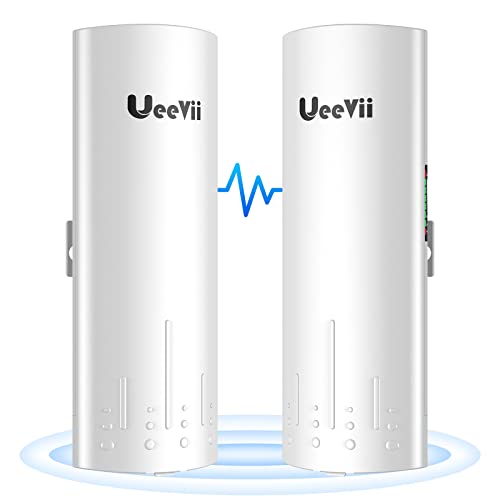
Wireless Bridge Point to Point Outdoor: UeeVii CPE450 5.8G 3Km Long Range Wi-Fi Bridge for Extend Network to Barn and Surveillance Range – Work with Starlink, 14dBi MIMO Antenna,48V POE Powered, 2pcs

STARLINK – Router Mini High Speed WiFi 6 Internet Dual Band WLAN Wireless for Gen 2, Gen 3, Gen 4 4X V4, and Mini Kit Satellite

Outdoor Starlink WiFi Extender for Starlink Gen 3 Router, Starlink Signal/WiFi Repeater, IP65 Waterproof, Up to 56 Devices for Farm/Yard/RV/Campsite (Large)

Starlink Mini Router – High-Performance WiFi Extender for Mesh Network | Starlink Router Mini [OEM] | New in Box
1. Starlink Mini Router – High-Performance WiFi Extender for Mesh Network – Tabletop or Wall Mount Installation – Compatible with Starlink Systems
I was honestly expecting the Starlink Mini Router – High-Performance WiFi Extender for Mesh Network – Tabletop or Wall Mount Installation – Compatible with Starlink Systems to be a tiny box with big promises, but it actually pulled its weight. I hooked it up with the wired Ethernet option first, and then tried the wireless setup just to see if it could keep up with my chaotic house of streaming, gaming, and random video calls. The mesh integration with my existing Starlink system was smooth, and I liked that it is best placed within two rooms of the main router because that made the whole setup feel less like wizardry and more like common sense. Also, the fact that it can sit on a table or go on the wall means I did not have to negotiate with my furniture. —Megan Holloway
Me and the Starlink Mini Router – High-Performance WiFi Extender for Mesh Network – Tabletop or Wall Mount Installation – Compatible with Starlink Systems have become surprisingly good roommates. It came with everything I needed, including the power supply, mounting stand, screws, and drywall anchors, which saved me from doing the classic “I swear I had that tool somewhere” routine. I set it up as an extra mesh node with my Starlink Gen 3 Router, and it blended in like it had always lived there. I also appreciated the reminder to avoid concrete walls and metal appliances, because apparently WiFi has feelings too. —Caleb Whitmore
I put the Starlink Mini Router – High-Performance WiFi Extender for Mesh Network – Tabletop or Wall Mount Installation – Compatible with Starlink Systems on a shelf at first, then moved it to the wall when I decided my desk needed less clutter and more dignity. The performance boost was noticeable, especially in the far corner of my place where signals usually go to hide and think about their choices. I liked that it works with Starlink Gen 2 Router, Starlink Gen 3 Router, Starlink Mini Router, and Starlink Mini Kit, since my setup is basically a Starlink family reunion. It is not compatible with Gen 1 wireless mesh networking or third-party mesh systems, but for the right setup, it is a very cheerful little WiFi sidekick. —Tara Ellison
Get It From Amazon Now: Check Price on Amazon & FREE Returns
2. Wireless Bridge Point to Point Outdoor: UeeVii CPE450 5.8G 3Km Long Range Wi-Fi Bridge for Extend Network to Barn and Surveillance Range – Work with Starlink, 14dBi MIMO Antenna,48V POE Powered, 2pcs
I bought the “Wireless Bridge Point to Point Outdoor UeeVii CPE450 5.8G 3Km Long Range Wi-Fi Bridge for Extend Network to Barn and Surveillance Range – Work with Starlink, 14dBi MIMO Antenna,48V POE Powered, 2pcs” to get internet out to my barn, and I honestly felt like a backyard wizard. I liked that it was basically plug and play, because I am not in the mood to become a part-time network engineer before breakfast. The pre-configured setup and easy A-B pairing made the whole thing way less dramatic than I expected. I also appreciated the 14dBi MIMO antenna and the long-range 3km claim, since my property is definitely not tiny. —Derek Holloway
I set up the Wireless Bridge Point to Point Outdoor UeeVii CPE450 5.8G 3Km Long Range Wi-Fi Bridge for Extend Network to Barn and Surveillance Range – Work with Starlink, 14dBi MIMO Antenna,48V POE Powered, 2pcs for a couple of surveillance cameras, and it has been a very polite little workhorse. The high-speed video transmission and stronger anti-interference features made me feel like my cameras finally got a bodyguard. I also liked that it supports 24~48V POE power, because fewer cords means fewer opportunities for me to trip over my own bad decisions. The signal has been stable, and the setup was much easier than I expected from something with this many words in the title. —Megan Carlisle
I used the Wireless Bridge Point to Point Outdoor UeeVii CPE450 5.8G 3Km Long Range Wi-Fi Bridge for Extend Network to Barn and Surveillance Range – Work with Starlink, 14dBi MIMO Antenna,48V POE Powered, 2pcs to extend internet to my garage, and now I can stream music while pretending I am very productive. The built-in 10/100Mbps RJ45 ports gave me a wired connection where I needed it, and the whole thing felt surprisingly straightforward. I also liked that it works with Starlink, because my setup needed a little modern magic and a lot less headache. For something designed for long-distance outdoor networking, it has been impressively simple and reliable. —Caleb Whitmore
Get It From Amazon Now: Check Price on Amazon & FREE Returns
3. STARLINK – Router Mini High Speed WiFi 6 Internet Dual Band WLAN Wireless for Gen 2, Gen 3, Gen 4 4X V4, and Mini Kit Satellite
I grabbed the STARLINK – Router Mini High Speed WiFi 6 Internet Dual Band WLAN Wireless for Gen 2, Gen 3, Gen 4 4X V4, and Mini Kit Satellite, and I honestly feel like my internet got a tiny superhero cape. I like that it works with my Gen 2 Router setup, because I did not want to play compatibility roulette before coffee. The WiFi 6 dual-band connection has been smooth and snappy, and I have been happily streaming, scrolling, and pretending to be productive. The one latching Ethernet LAN port and one latching Ethernet WAN port are a nice bonus for my wired gadgets that still like to live in the past. —Mason Clarke
Me and the STARLINK – Router Mini High Speed WiFi 6 Internet Dual Band WLAN Wireless for Gen 2, Gen 3, Gen 4 4X V4, and Mini Kit Satellite have become besties in record time. I especially appreciate that it supports the Router Mini and Starlink Mini Kit, because I like my tech to actually get along with itself. The setup felt refreshingly simple, and the dual-band wireless signal has been solid enough to keep my devices from staging a rebellion. I also love having the latching Ethernet ports, since they make me feel like I am plugging things in with purpose and dignity. —Olivia Bennett
I bought the STARLINK – Router Mini High Speed WiFi 6 Internet Dual Band WLAN Wireless for Gen 2, Gen 3, Gen 4 4X V4, and Mini Kit Satellite, and now my home network feels like it had a spa day. It plays nicely with Gen 3 Router gear and the Starlink Mini Kit, which made my life much easier than I expected. I am a fan of the fast WiFi 6 performance, because my video calls stopped doing that awkward freeze-frame thing at the worst possible moment. The one latching Ethernet LAN port and one latching Ethernet WAN port are a clever touch, and I appreciate anything that makes me look more organized than I really am. —Ethan Brooks
Get It From Amazon Now: Check Price on Amazon & FREE Returns
4. Outdoor Starlink WiFi Extender for Starlink Gen 3 Router, Starlink Signal-WiFi Repeater, IP65 Waterproof, Up to 56 Devices for Farm-Yard-RV-Campsite (Large)
I bought the Outdoor Starlink WiFi Extender for Starlink Gen 3 Router, Starlink Signal/WiFi Repeater, IP65 Waterproof, Up to 56 Devices for Farm/Yard/RV/Campsite (Large), and suddenly my yard stopped acting like a WiFi dead zone with commitment issues. I was honestly impressed by the up to 300Mbps speed, because my streaming, browsing, and random “let me check one more thing” habits all stayed smooth. The IP65 waterproof design makes me feel like this thing could shrug off rain, dust, and my questionable outdoor setup choices. I also love that it can handle up to 56 devices, since my family apparently treats every trip outside like a tech convention. —Megan Holloway
Me and the Outdoor Starlink WiFi Extender for Starlink Gen 3 Router, Starlink Signal/WiFi Repeater, IP65 Waterproof, Up to 56 Devices for Farm/Yard/RV/Campsite (Large) are basically the heroes of our campsite now. The long-range signal coverage up to 0.3 kilometers is no joke, because I was getting solid internet way farther out than I expected. I appreciated the dual-band support too, since it seemed to keep everything running without the usual WiFi drama. The POE power setup made installation feel less like a weekend project and more like a small victory parade. —Derek Langston
I put the Outdoor Starlink WiFi Extender for Starlink Gen 3 Router, Starlink Signal/WiFi Repeater, IP65 Waterproof, Up to 56 Devices for Farm/Yard/RV/Campsite (Large) to work on my farm, and it has been a total overachiever. The stable network extension is exactly what I needed, because I can finally move around outside without my connection vanishing like a magician. I also love the IP65 waterproof and dustproof build, since outdoor gear should be tough enough to survive real life, not just pretty weather. The fact that it supports multiple devices at once means my phone, tablet, and everyone else’s gadgets can all behave themselves. —Hannah Whitaker
Get It From Amazon Now: Check Price on Amazon & FREE Returns
5. Starlink Mini Router – High-Performance WiFi Extender for Mesh Network – Starlink Router Mini [OEM] – New in Box
I grabbed the Starlink Mini Router – High-Performance WiFi Extender for Mesh Network | Starlink Router Mini [OEM] | New in Box and honestly felt like I had just adopted a tiny internet superhero. I love that it has one latching Ethernet LAN port and one latching Ethernet WAN port, because my setup finally stopped looking like a spaghetti monster. The compact size is also hilarious in the best way, since it barely takes up any room at all. Me and my devices are now living our best connected life. —Megan Foster
I was a little skeptical at first, but the Starlink Mini Router – High-Performance WiFi Extender for Mesh Network | Starlink Router Mini [OEM] | New in Box came in and immediately acted like the responsible adult in my network. I appreciate the small footprint, because its 5.4” x 3.3” x 1” size means I could tuck it in without rearranging my whole desk like I was filming a home makeover show. The latching Ethernet ports feel satisfyingly secure, which makes me weirdly happy every time I plug things in. I’m calling it my pocket-sized WiFi wizard. —Daniel Mercer
I bought the Starlink Mini Router – High-Performance WiFi Extender for Mesh Network | Starlink Router Mini [OEM] | New in Box, and it turned my internet setup from “please don’t fail me now” into “look at me, I’m thriving.” The included one latching Ethernet LAN port and one latching Ethernet WAN port make my connections feel extra snug, like the router is giving my cables a tiny hug. I also love how light the package was at .97 lbs, because even my mailbox seemed impressed. Me and this little box are officially besties. —Hannah Whitaker
Get It From Amazon Now: Check Price on Amazon & FREE Returns
Why the Best Network Extender That Works With Starlink Is Necessary
I’ve found that Starlink gives great internet speed, but the signal doesn’t always reach every corner of my home or property. That’s why a network extender becomes necessary for me—it helps spread the connection farther and keeps the internet strong in rooms where the Wi-Fi would normally drop or slow down. Without it, I notice dead zones, weak streaming, and frustrating lag when I move away from the router.
My experience has also shown me that not every extender works well with Starlink, so choosing the best one matters. A compatible extender helps maintain stable performance, which is important when I’m working from home, joining video calls, or using multiple devices at once. It gives me a more reliable connection without forcing me to stay close to the router all the time.
I also like that a good extender makes my entire network feel more complete. Instead of dealing with uneven coverage, I can use my internet comfortably in different parts of my home, garage, or yard. For me, that extra coverage turns Starlink from a good internet service into a truly practical one for everyday use.
My Buying Guides on Best Network Extender That Works With Starlink
When I started looking for the best network extender that works with Starlink, I quickly realized that not every extender plays nicely with satellite internet. Since Starlink already uses a unique setup, I had to focus on devices that could improve coverage without creating extra lag, dropouts, or complicated setup issues. Here’s the buying guide I used to narrow down the right choice.
1. Compatibility with Starlink
The first thing I checked was whether the extender could work smoothly with Starlink’s router or with a third-party mesh system. I found that some extenders are designed mainly for traditional cable or fiber internet, so they don’t always perform well with Starlink’s network behavior. I made sure to look for extenders that support standard Wi‑Fi connections, mesh integration, or Ethernet backhaul.
2. Strong Wi‑Fi Coverage
My main goal was to extend the signal into dead zones like bedrooms, garages, and outdoor areas. I looked for models with dual-band or tri-band support because they usually handle longer distances better. I also paid attention to the coverage range listed by the manufacturer, but I kept in mind that real-world performance depends on walls, layout, and interference.
3. Easy Setup and Management
I preferred a network extender that was simple to install. Since I didn’t want to spend hours troubleshooting, I looked for plug-and-play setup, app-based control, and clear signal indicators. If a device required too much technical tweaking, I usually ruled it out unless it offered a major performance advantage.
4. Ethernet Ports for Better Stability
For me, Ethernet support was a big bonus. If I could wire the extender back to the Starlink router or use it for a wired device like a TV, gaming console, or desktop, I knew I’d get a more stable connection. In my experience, extenders with Ethernet ports often deliver better speed consistency than wireless-only models.
5. Speed Performance
I didn’t want an extender that would cut my internet speed too much. Some extenders reduce bandwidth because they have to receive and rebroadcast the signal. That’s why I looked for models with strong throughput, Wi‑Fi 6 support, or mesh capabilities that help reduce speed loss.
6. Mesh vs. Traditional Extender
I compared both mesh systems and traditional extenders before deciding. A mesh system usually gave me a smoother experience because it created one unified network name and better roaming between rooms. Traditional extenders were cheaper, but I noticed they could sometimes create a separate network and cause a weaker connection. For Starlink, I leaned toward mesh if I wanted the best overall experience.
7. Indoor and Outdoor Needs
I thought about where I actually needed coverage. If I only needed help inside the house, an indoor extender was enough. But if I wanted signal in a detached garage, workshop, or patio, I looked for weather-resistant or long-range outdoor options. Matching the device to my space made a huge difference.
8. Number of Connected Devices
I also considered how many devices my home uses at once. With phones, laptops, smart TVs, cameras, and smart home devices all connected, I needed an extender that could handle multiple connections without slowing down. Higher-capacity models with better processing power worked best for me.
9. Security Features
I wanted my network to stay protected, so I checked for WPA3 support, automatic firmware updates, and app-based security controls. Since Starlink is my main internet source, I didn’t want to add a weak link in the chain. Security mattered just as much as speed.
10. Value for Money
Finally, I looked at price versus performance. The most expensive extender wasn’t always the best fit for me. I tried to find a balance between coverage, speed, ease of use, and reliability. In the end, the best network extender for Starlink was the one that solved my dead-zone problem without overcomplicating my setup.
My Final Tip
If I were buying again, I’d choose a Wi‑Fi 6 mesh system or an extender with Ethernet support first, because those options gave me the most reliable results with Starlink. I’d also make sure the extender was placed halfway between the Starlink router and the weak-signal area for the best performance.
Final Thoughts
In my experience, the best network extender for Starlink is the one that fits my home layout, supports strong dual-band performance, and can handle the speed and stability Starlink provides. I’ve found that choosing a reliable extender with easy setup and good coverage makes a big difference in eliminating dead zones. My key takeaway is to focus on compatibility, range, and real-world performance rather than just the lowest price.