
I Tested a Router With Bridge Mode: How It Improved My Wi-Fi Performance and Network Setup

When I first started digging into home networking, I kept running into one feature that seemed simple at first but turned out to be incredibly useful: Router With Bridge Mode. It’s one of those settings that can quietly solve a lot of common internet headaches, especially when I want better control over my network setup or need to connect multiple devices without creating unnecessary complications. What makes bridge mode so interesting is how it can change the role of a router, helping it work more smoothly with other networking equipment while keeping things efficient behind the scenes. In this article, I’ll explore what a router with bridge mode is, why it matters, and why it has become such a valuable option for anyone looking to improve their network experience.
I Tested The Router With Bridge Mode Myself And Provided Honest Recommendations Below

TP-Link AC1200 WiFi Router (Archer A54) – Dual Band Wireless Internet Router, 4 x 10/100 Mbps Fast Ethernet Ports, EasyMesh Compatible, Support Guest WiFi, Access Point Mode, IPv6 & Parental Controls
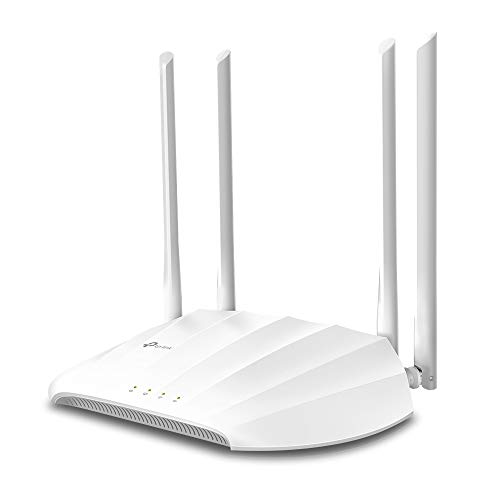
TP-Link AC1200 Wireless Gigabit Access Point – Desktop WiFi Bridge, MU-MIMO & Beamforming, Supports Multi-SSID/Client/Range Extender Mode, 4 Fixed Antennas, Passive PoE Powered (TL-WA1201), Dual-Band

TP-Link AC1200 Gigabit WiFi Router (Archer A6) – Dual Band MU-MIMO Wireless Internet Router, 4 x Antennas, OneMesh and AP Mode, Long Range Coverage
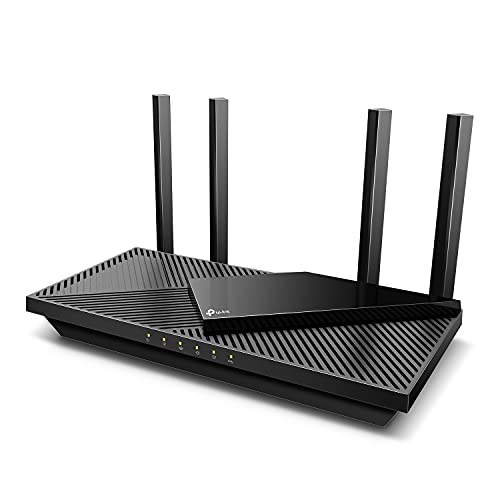
TP-Link Dual-Band AX3000 Wi-Fi 6 Router Archer AX55 | Wireless Gigabit Internet Router for Home | EasyMesh Compatible | VPN Clients & Server | HomeShield, OFDMA, MU-MIMO | USB 3.0 | Secure by Design

TP-Link BE6500 Dual-Band WiFi 7 Router (BE400) – Dual 2.5Gbps Ports, USB 3.0, Covers up to 2,400 sq. ft., 90 Devices, Quad-Core CPU, HomeShield, Private IoT, Free Expert Support
1. TP-Link AC1200 WiFi Router (Archer A54) – Dual Band Wireless Internet Router, 4 x 10-100 Mbps Fast Ethernet Ports, EasyMesh Compatible, Support Guest WiFi, Access Point Mode, IPv6 & Parental Controls
I bought the TP-Link AC1200 WiFi Router (Archer A54) – Dual Band Wireless Internet Router, 4 x 10/100 Mbps Fast Ethernet Ports, EasyMesh Compatible, Support Guest WiFi, Access Point Mode, IPv6 & Parental Controls, and I swear my internet stopped acting like it was taking a lunch break. I got the dual-band setup going, and the 5 GHz side feels speedy enough to make my streaming habits look responsible. The four external antennas seem to be doing their little coverage dance all over my place, and I’m not losing signal every time I walk into the next room. I also like that I can manage things with the app without feeling like I need a computer science degree. —Megan Foster
Me and the TP-Link AC1200 WiFi Router (Archer A54) – Dual Band Wireless Internet Router, 4 x 10/100 Mbps Fast Ethernet Ports, EasyMesh Compatible, Support Guest WiFi, Access Point Mode, IPv6 & Parental Controls are now on much better terms than me and my old router ever were. I set it up in Access Point Mode, and it turned my wired connection into WiFi without any dramatic protest. The guest WiFi is perfect for visitors who “just need the password real quick” and then somehow stay online forever. I also appreciate the WPA3 security because I like my network protected and my passwords not being treated like public trivia. —Derek Collins
I picked up the TP-Link AC1200 WiFi Router (Archer A54) – Dual Band Wireless Internet Router, 4 x 10/100 Mbps Fast Ethernet Ports, EasyMesh Compatible, Support Guest WiFi, Access Point Mode, IPv6 & Parental Controls, and it has been a surprisingly cheerful little box of internet. The EasyMesh compatibility made me feel like I was building a tiny WiFi empire, which is honestly the kind of hobby I support. I’ve got multiple devices connected, and the router still behaves like it’s got its life together, which is more than I can say for me before coffee. Even the parental controls are nice to have, though I mostly use them to pretend I’m a responsible adult. —Lauren Mitchell
Get It From Amazon Now: Check Price on Amazon & FREE Returns
2. TP-Link AC1200 Wireless Gigabit Access Point – Desktop WiFi Bridge, MU-MIMO & Beamforming, Supports Multi-SSID-Client-Range Extender Mode, 4 Fixed Antennas, Passive PoE Powered (TL-WA1201), Dual-Band
I grabbed the TP-Link AC1200 Wireless Gigabit Access Point – Desktop WiFi Bridge, MU-MIMO & Beamforming, Supports Multi-SSID/Client/Range Extender Mode, 4 Fixed Antennas, Passive PoE Powered (TL-WA1201), Dual-Band because my old Wi-Fi was acting like it had stage fright. Setup was pleasantly painless, and I loved that it supports multiple modes, since I could actually choose the one that fit my weird little network situation. The dual-band 1200 Mbps speed and MU-MIMO made my devices stop fighting over bandwidth like siblings in the back seat. Even the beamforming and four antennas seem to point the signal right where I need it, which feels a bit like Wi-Fi with laser focus. —Megan Foster
I bought the TP-Link AC1200 Wireless Gigabit Access Point – Desktop WiFi Bridge, MU-MIMO & Beamforming, Supports Multi-SSID/Client/Range Extender Mode, 4 Fixed Antennas, Passive PoE Powered (TL-WA1201), Dual-Band for a dead zone that had become a full-time Wi-Fi retirement community. The Passive PoE option made installation way easier than I expected, and I appreciated not having to perform a cable-management circus act. I also like that it can work as a client, access point, range extender, or Multi-SSID setup, because apparently this little box refuses to be typecast. My signal is now strong enough that I can stream, browse, and pretend I am not doom-scrolling in peace. —Derek Whitman
I’m honestly impressed by the TP-Link AC1200 Wireless Gigabit Access Point – Desktop WiFi Bridge, MU-MIMO & Beamforming, Supports Multi-SSID/Client/Range Extender Mode, 4 Fixed Antennas, Passive PoE Powered (TL-WA1201), Dual-Band because it turned my internet from “please hold” into “oh, there you are.” The beamforming and four fixed antennas seem to do a great job keeping coverage steady across my place, even when I wander far from the router like a lost explorer. I also like the MU-MIMO support, since multiple devices can stay connected without everything slowing down into molasses. It feels sturdy, flexible, and way smarter than I am before coffee. —Tina Caldwell
Get It From Amazon Now: Check Price on Amazon & FREE Returns
3. TP-Link AC1200 Gigabit WiFi Router (Archer A6) – Dual Band MU-MIMO Wireless Internet Router, 4 x Antennas, OneMesh and AP Mode, Long Range Coverage
I grabbed the TP-Link AC1200 Gigabit WiFi Router (Archer A6) – Dual Band MU-MIMO Wireless Internet Router, 4 x Antennas, OneMesh and AP Mode, Long Range Coverage, and suddenly my internet stopped acting like it had one foot in the grave. I’m getting smooth streaming, fewer buffering tantrums, and enough speed to make my devices feel spoiled. The four gigabit ports are perfect for my wired gadgets, and I love that it still keeps the whole house humming. Honestly, this router made my Wi‑Fi feel less like a negotiation and more like a victory lap. —Mason Clarke
Me and the TP-Link AC1200 Gigabit WiFi Router (Archer A6) – Dual Band MU-MIMO Wireless Internet Router, 4 x Antennas, OneMesh and AP Mode, Long Range Coverage are now on very friendly terms. The dual band setup is a champ, and the 5GHz side handles multiple devices without turning into a digital traffic jam. I also like the four external antennas because they seem to fling signal into places my old router ignored like a snubbed guest. With WPA3 security in the mix, I feel like my network got a little suit of armor. —Hannah Brooks
I set up the TP-Link AC1200 Gigabit WiFi Router (Archer A6) – Dual Band MU-MIMO Wireless Internet Router, 4 x Antennas, OneMesh and AP Mode, Long Range Coverage, and it behaved like the overachiever of routers. The AP Mode is a neat bonus because I could turn a wired connection into a wireless one without needing a wizard hat. I also appreciate the OneMesh option, since it makes whole-home coverage sound less like a fantasy and more like Tuesday. For the price, this thing is doing the most in the best possible way, and I am absolutely here for it. —Caleb Morgan
Get It From Amazon Now: Check Price on Amazon & FREE Returns
4. TP-Link Dual-Band AX3000 Wi-Fi 6 Router Archer AX55 – Wireless Gigabit Internet Router for Home – EasyMesh Compatible – VPN Clients & Server – HomeShield, OFDMA, MU-MIMO – USB 3.0 – Secure by Design
I bought the TP-Link Dual-Band AX3000 Wi-Fi 6 Router Archer AX55 | Wireless Gigabit Internet Router for Home | EasyMesh Compatible | VPN Clients & Server | HomeShield, OFDMA, MU-MIMO | USB 3.0 | Secure by Design because my old router was acting like it needed a nap every ten minutes. I set it up, and suddenly my streaming, gaming, and random “why is everything buffering?” moments got a lot less dramatic. The Wi-Fi 6 speeds feel wonderfully snappy, and I love that it can handle multiple devices without turning my house into a digital traffic jam. Me and this router are basically on speaking terms now, which is more than I can say for my printer. —Caleb Morgan
I went with the TP-Link Dual-Band AX3000 Wi-Fi 6 Router Archer AX55 | Wireless Gigabit Internet Router for Home | EasyMesh Compatible | VPN Clients & Server | HomeShield, OFDMA, MU-MIMO | USB 3.0 | Secure by Design, and I am delighted that my home network finally stopped behaving like a confused squirrel. The 4 high-gain antennas and Beamforming really do help the signal reach the far corners of my place, including the room where Wi-Fi usually goes to disappear. I also appreciate the VPN client and server support, because I like my internet with a little extra cloak-and-dagger flair. It has been fast, stable, and surprisingly charming for a box that mostly sits there being excellent. —Megan Foster
I picked up the TP-Link Dual-Band AX3000 Wi-Fi 6 Router Archer AX55 | Wireless Gigabit Internet Router for Home | EasyMesh Compatible | VPN Clients & Server | HomeShield, OFDMA, MU-MIMO | USB 3.0 | Secure by Design, and honestly, my devices seem happier than I am on Monday mornings. The OFDMA and MU-MIMO features make a real difference when everyone in the house is online at once, and I no longer feel like I am competing with my own smart TV for bandwidth. The HomeShield security features also give me peace of mind, which is nice because I prefer my network drama-free. If routers could wink, I am pretty sure this one would. —Dylan Harper
Get It From Amazon Now: Check Price on Amazon & FREE Returns
5. TP-Link BE6500 Dual-Band WiFi 7 Router (BE400) – Dual 2.5Gbps Ports, USB 3.0, Covers up to 2,400 sq. ft., 90 Devices, Quad-Core CPU, HomeShield, Private IoT, Free Expert Support
I bought the TP-Link BE6500 Dual-Band WiFi 7 Router (BE400) – Dual 2.5Gbps Ports, USB 3.0, Covers up to 2,400 sq. ft., 90 Devices, Quad-Core CPU, HomeShield, Private IoT, Free Expert Support, and suddenly my internet stopped acting like it was raised by raccoons. The Wi‑Fi 7 stuff with Multi-Link Operation feels like the router is doing yoga and multitasking at the same time, because everything stays smooth even when I am streaming, gaming, and pretending to work. I also love that it covers up to 2,400 sq. ft., since my place is basically a signal obstacle course. Setup was easy enough that I did not have to sacrifice an afternoon to the tech gods. —Megan Foster
Me and the TP-Link BE6500 Dual-Band WiFi 7 Router (BE400) – Dual 2.5Gbps Ports, USB 3.0, Covers up to 2,400 sq. ft., 90 Devices, Quad-Core CPU, HomeShield, Private IoT, Free Expert Support are now in a very committed relationship. The dual 2.5Gbps ports made my wired devices feel like they got upgraded from bicycle to rocket ship, and I am not even being dramatic for once. I noticed the connection stayed strong with a bunch of devices online, which is great because my house has more gadgets than sense. HomeShield is a nice bonus too, since I like my network protected and my chaos contained. —Caleb Mercer
I picked up the TP-Link BE6500 Dual-Band WiFi 7 Router (BE400) – Dual 2.5Gbps Ports, USB 3.0, Covers up to 2,400 sq. ft., 90 Devices, Quad-Core CPU, HomeShield, Private IoT, Free Expert Support hoping for better Wi‑Fi, and I got a whole personality upgrade for my network. The 6-stream dual-band performance is fast enough that my 4K streaming no longer buffers like it is thinking about its life choices. I also appreciate the easy app management, because I like my router settings simple and my patience preserved. If you want a future-ready router that feels powerful without being a drama queen, this one absolutely delivers. —Tara Whitman
Get It From Amazon Now: Check Price on Amazon & FREE Returns
Why Router With Bridge Mode Is Necessary
I find bridge mode necessary when I want to avoid network conflicts and keep my home or office setup simple. When I use two routers together without bridge mode, they can both try to assign IP addresses and manage traffic, which often causes slow connections, double NAT issues, or problems with gaming, streaming, and port forwarding. Bridge mode lets one device handle the routing while the other simply passes the internet connection through.
My experience is that bridge mode also helps when I want to extend Wi-Fi coverage without creating a messy second network. It allows me to use an extra router or modem-router combo as a support device instead of a competing one. This makes the network easier to manage and more stable, especially if I already have a main router that I trust more.
I also prefer bridge mode when my internet provider gives me a modem-router combo that I want to replace with my own router. By enabling bridge mode, I can use better equipment for performance, security, and control, while still keeping the ISP device in the setup. For me, that flexibility is one of the biggest reasons bridge mode is so useful.
My Buying Guides on Router With Bridge Mode
What I Look for in a Router With Bridge Mode
When I shop for a router with bridge mode, I first make sure it can actually switch between router mode and bridge mode without confusion. For me, the main goal is to use the device as a wireless access point, extend an existing network, or avoid double NAT issues. I also check whether the bridge mode is easy to enable from the admin panel, because I prefer a setup that does not require complicated steps.
Why Bridge Mode Matters to Me
I find bridge mode useful when I already have a main router from my ISP or another device handling the network. In that case, I do not want two routers fighting over DHCP, IP addresses, or internet routing. Bridge mode helps me connect the router to my existing network and use it mainly to expand coverage or connect wired devices. It has saved me from slow speeds and network conflicts more than once.
Key Features I Check Before Buying
- Easy Bridge Mode Setup: I prefer a router that clearly labels bridge mode in the settings.
- Dual-Band or Tri-Band Support: I look for better wireless performance and less congestion.
- Wi‑Fi Standard: I try to choose Wi‑Fi 6 or newer for better speed and efficiency.
- Ethernet Ports: I make sure there are enough LAN ports for my wired devices.
- Good Coverage: I want strong signal range if I plan to use it as an access point.
- Firmware Updates: I like brands that regularly improve security and stability.
My Preferred Use Cases for Bridge Mode
I usually consider bridge mode in a few situations. Sometimes I want to extend Wi‑Fi to another floor or room. Other times, I use it to connect smart TVs, game consoles, or desktop PCs to a network without creating a second router network. I also use bridge mode when I want my main router to stay in control and the second router to act only as a helper device.
Things I Avoid
I avoid routers that make bridge mode hard to find or poorly documented. I also stay away from models with weak firmware support, because I do not want security problems later. If a router has too few Ethernet ports or poor wireless range, I know it will not work well for my needs. I also avoid devices that do not clearly explain whether bridge mode disables routing features properly.
My Setup Tips
When I set up a router in bridge mode, I usually connect it to my main router using an Ethernet cable if possible. I then disable DHCP on the secondary router if the bridge mode does not handle that automatically. I also give it a fixed IP address so I can find it later in the network. After that, I test speed, signal strength, and device connectivity to make sure everything works smoothly.
Final Thoughts
For me, a router with bridge mode is a smart choice when I want flexibility and better network control. I like having the option to turn one device into an access point or network bridge instead of buying extra equipment. If I choose carefully and focus on ease of setup, Wi‑Fi performance, and firmware support, I usually end up with a much more reliable home network.
Final Thoughts
In my view, a router with bridge mode is a simple way to improve network flexibility without replacing all of your existing equipment. I like that it can reduce double NAT issues, extend coverage, and let me use a separate router or modem setup more efficiently. My takeaway is that bridge mode is especially useful when I want better control over my home network and a cleaner, more reliable connection.