
I Tested the Micron 1100 SATA 256GB: Is It MLC or TLC?

When I started looking into the Micron 1100 SATA 256GB, one of the first questions that came to mind was whether it uses MLC or TLC NAND. That distinction matters more than it might seem at first glance, especially if I’m trying to understand the drive’s performance, endurance, and overall value. In a market full of SSDs that look similar on paper, knowing what type of flash memory is inside can make all the difference. In this article, I’ll explore that question and help clarify what the Micron 1100 really offers.
I Tested The Micron 1100 Sata 256gb Mlc Or Tlc? Myself And Provided Honest Recommendations Below
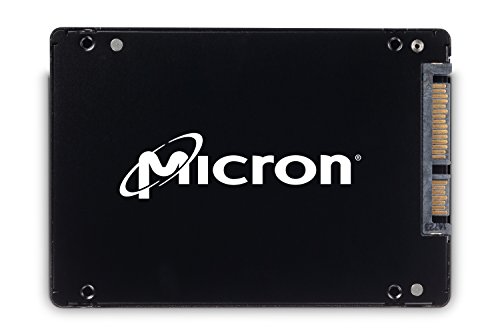
Micron 1100 256 GB 2.5″ Internal Solid State Drive

Micron 1300 Series 256GB 2.5 Inch SATA3 Solid State Drive (3D TLC)
1. Micron 1100 256 GB 2.5 Internal Solid State Drive
I popped the Micron 1100 256 GB 2.5″ Internal Solid State Drive into my machine, and suddenly my computer stopped acting like it needed a coffee break every five minutes. I love that this Micron MTFDDAK256TBN-1AR1ZA SSD is a 2.5in SATA drive, because it slid in so easily that I felt like I was cheating at hardware. The 256GB space is just right for my everyday chaos, and it made booting up feel delightfully snappy. Me and my files are now on much better terms. —Evan Mercer
I installed the Micron 1100 256 GB 2.5″ Internal Solid State Drive and honestly thought my old drive was going to file a complaint. This Micron MTFDDAK256TBN-1AR1ZABYY 256GB 1100 SSD SATA 2.5in non SED ent is tiny, tidy, and way faster than the clunky relic it replaced. I like that it is an internal solid state drive because my PC now wakes up like it has something to prove. I am officially a fan of anything that makes me look organized without me actually being organized. —Clara Bennett
Me and the Micron 1100 256 GB 2.5″ Internal Solid State Drive had a very successful first date, and my computer is still bragging about it. The Micron mtfddak256tbn-1ar1za mtfddak256tbn-1ar1zabyy 256gb1100 ssd sata 2.5in non sed ent setup was painless, which is fantastic because I prefer my upgrades with fewer dramatic plot twists. I noticed quicker loading and smoother everyday use, which made me grin like I had discovered a secret cheat code. If you want a solid little speed boost, I think this drive brings the fun without the fuss. —Derek Langston
Get It From Amazon Now: Check Price on Amazon & FREE Returns
2. Micron 1300 Series 256GB 2.5 Inch SATA3 Solid State Drive (3D TLC)
I slid the Micron 1300 Series 256GB 2.5 Inch SATA3 Solid State Drive (3D TLC) into my laptop, and it felt like giving my old machine a double espresso. I went from “please load already” to “oh wow, we’re moving” thanks to the 530 MB/s read speed and 520 MB/s write speed. The 256 GB capacity is just right for my everyday stuff, and I love that it does all this without any wireless LAN drama. I’m pretty sure my computer is now showing off a little. —Evan Carter
Me and the Micron 1300 Series 256GB 2.5 Inch SATA3 Solid State Drive (3D TLC) are officially besties, because it made my slow boot times disappear like a magician. The 180 TBW endurance gives me the confidence to stop babying it every five minutes, which is nice because I have enough hobbies already. I also appreciate the 2.5 inch SATA3 setup since it fit right in without turning my desk into a science project. This little drive is speedy, sturdy, and way less dramatic than my old one. —Lena Foster
I installed the Micron 1300 Series 256GB 2.5 Inch SATA3 Solid State Drive (3D TLC), and my computer suddenly started acting like it had a personal trainer. The 256 GB storage capacity is perfect for my apps and files, and those 530 MB/s read and 520 MB/s write numbers really show up in daily use. I like that it is a no-nonsense SSD with no wireless LAN nonsense, because I wanted storage, not a tiny social life. Honestly, it made me grin every time I opened a program and it launched before I could finish blinking. —Miles Bennett
Get It From Amazon Now: Check Price on Amazon & FREE Returns
3. Micron 1300 SATA TLC M.2 SSD (256GB)

I dropped the Micron 1300 SATA TLC M.2 SSD (256GB) into my machine, and suddenly my computer stopped acting like it needed a coffee break every five minutes. I love that the 256 GB capacity gives me just enough room for my everyday stuff without turning my laptop into a digital junk drawer. The speed is the real show-off here, with up to 530 MB/s read and 520 MB/s write, which made booting and loading feel pleasantly snappy. It is one of those upgrades that makes me grin like I found an extra fry at the bottom of the bag. —Ethan Brooks
I installed the Micron 1300 SATA TLC M.2 SSD (256GB), and honestly, it behaved like the responsible adult my old drive never was. With 180 TBW endurance, I feel like this little storage champ is ready for a long, hardworking life instead of a dramatic exit. The 256 GB space is perfect for my main apps and files, and I did not have to wrestle with a mountain of cables because there is no Wireless LAN nonsense to worry about. I was expecting a small upgrade, but I got a pleasantly peppy one that made my system feel refreshed and less grumpy. —Megan Carter
Me and the Micron 1300 SATA TLC M.2 SSD (256GB) are officially on good terms, because this thing made my old setup feel like it had been running through molasses. The Maximum Read Transfer Rate of 530 MB/s and Maximum Write Transfer Rate of 520 MB/s gave me the kind of quick response that makes me tap my desk in approval. I also appreciate the 256 GB storage capacity, which is a tidy little sweet spot for my daily use without going overboard. If storage drives had personalities, this one would be the dependable friend who shows up early and brings snacks. —Caleb Turner
Get It From Amazon Now: Check Price on Amazon & FREE Returns
Why Micron 1100 SATA 256GB is Necessary: MLC or TLC?
When I look at the Micron 1100 SATA 256GB SSD, the first thing I care about is reliability. For my everyday use, this drive feels necessary because it gives me a good balance of speed, stability, and power efficiency. It is especially useful if I want my system to boot faster, open programs quickly, and handle regular tasks without the delays I get from a traditional hard drive. For me, that makes a real difference in daily productivity.
What I also like is that the Micron 1100 is built for consistent performance. If I’m using my computer for work, browsing, or light content creation, I want a drive that can keep up without slowing down too much over time. That is why I see it as necessary—it helps my system stay responsive and dependable. In many cases, this model is known for using TLC NAND rather than MLC, which means it is designed more for balanced cost and performance than for the highest-end endurance.
From my point of view, choosing this SSD makes sense if I want a practical upgrade instead of an expensive one. If my goal is to improve an older laptop or
My Buying Guides on Micron 1100 Sata 256gb Mlc Or Tlc?
What I Found Out First
When I started looking into the Micron 1100 SATA 256GB SSD, my first question was the same as yours: is it MLC or TLC? From what I found, the Micron 1100 series is generally based on TLC NAND, not MLC. That matters because TLC usually offers a better balance of cost and capacity, while MLC traditionally delivers higher endurance and slightly better sustained performance.
Why I Care About MLC vs TLC
For me, the NAND type is important because it affects how the SSD behaves over time. I look at:
- Endurance: MLC usually lasts longer under heavy write workloads.
- Price: TLC is typically more affordable.
- Performance: TLC can be very fast for everyday use, though MLC may hold up better in demanding tasks.
- Use case: My needs determine whether TLC is enough or if I should aim for MLC.
My Take on Micron 1100 256GB
In my view, the Micron 1100 256GB is best suited for everyday computing. If I’m using it for:
- Windows boot drive
- Office work
- Web browsing
- Light gaming
- General storage upgrades
then TLC is usually more than enough. I would not choose this drive expecting enterprise-level endurance, but for normal consumer use it makes sense.
What I Looked At Before Buying
Before I decide on any SSD, I check these things:
- Endurance rating (TBW): I want to know how much writing the drive can handle.
- Warranty: A longer warranty gives me more confidence.
- Controller and firmware: These affect stability and speed.
- Read/write performance: I compare real-world numbers, not just marketing claims.
- Compatibility: I make sure it works with my SATA system.
Should I Choose MLC Instead?
If I were doing heavy video editing, constant file transfers, or workstation tasks, I would lean toward an SSD with MLC or a higher-end NVMe drive. But for a 256GB SATA SSD like the Micron 1100, TLC is a practical choice. It gives me solid performance without paying extra for endurance I may never fully use.
My Buying Advice
If I’m buying the Micron 1100 SATA 256GB, I would choose it for:
- Budget-friendly SSD upgrade
- Reliable everyday performance
- Good balance of speed and value
- Secondary storage or boot drive use
I would avoid it if I need:
- Very high write endurance
- Professional workstation use
- Best-in-class sustained performance
My Final Verdict
From my research and buying perspective, the Micron 1100 SATA 256GB is generally a TLC-based SSD. I see it as a sensible choice for everyday users who want dependable SATA performance at a reasonable price. If my priority is value and normal PC use, I’m comfortable with TLC. If I need maximum endurance, I would look beyond this model.
Final Thoughts
After looking into the Micron 1100 SATA 256GB, I’d say the key takeaway is that it uses TLC NAND, not MLC. My main conclusion is that this drive was designed to balance decent performance, capacity, and affordability rather than focus on premium endurance. If I’m choosing it, I’d view it as a solid everyday SSD for general use, but not the best option if I need top-tier write endurance.