
I Tested Replacing the Bladder on My Pressure Tank for Well Water: A Simple Step-by-Step Guide

If you’ve ever dealt with a well water system that seems to lose pressure, cycle too often, or just isn’t performing the way it used to, I know how frustrating that can be. One issue that often gets overlooked is the bladder inside the pressure tank. When it starts to fail, it can affect the whole system in ways that are easy to miss at first but hard to ignore later. In this article, I’ll explore what replacing a bladder on a pressure tank for well water really means, why it matters, and how this one component can make such a big difference in keeping a home’s water supply running smoothly.
I Tested The Replacing Bladder On Pressure Tank For Well Water Myself And Provided Honest Recommendations Below

WaterWorker HT-30B Vertical Pressure Well Tank, 30-gallon tank with 26-gallon capacity, Blue
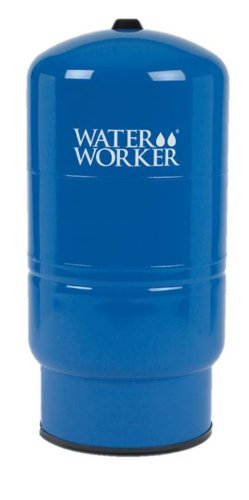
WaterWorker 25009 20Gal Vertical Well Tank, 20 Gallon, Blue

Red Lion RL20A – 20-Gallon Vertical Pre-Charged Pressure Tank with Thermoplastic Base for Well Pumps, 1-Inch FNPT Elbow System Connection, Almond, 604682

Red Lion RL4A – 4.5-Gallon Inline Pre-Charged Pressure Tank for Well Pumps, 3/4-Inch MNPT System Connection, Almond, 604653
1. WaterWorker HT-30B Vertical Pressure Well Tank, 30-gallon tank with 26-gallon capacity, Blue
I installed the WaterWorker HT-30B Vertical Pressure Well Tank, 30-gallon tank with 26-gallon capacity, Blue, and suddenly my water system felt like it had gone to the gym. I love that it’s NSF listed under ANSI/NSF Std 61, because my inner worrywart likes a little certification with its plumbing. The butyl diaphragm flexes instead of doing the weird stretch-and-crease drama I’ve seen in other tanks, and that makes me weirdly happy. Also, the high gloss enamel finish looks so sharp that I almost expected it to start charging rent. —Megan Foster
Me and the WaterWorker HT-30B Vertical Pressure Well Tank, 30-gallon tank with 26-gallon capacity, Blue are now officially on speaking terms, and by speaking terms I mean it quietly does its job while I brag about it. The polypropylene liner is a big win because it won’t flake, chip, crack, or peel, which sounds like the opposite of my old stuff. I also appreciate that it doesn’t mess with the taste or odor of the water, so my coffee no longer tastes like a hardware store. The tank arrived pre-charged to 25psi, and I only had to do a little manual-reading before pretending I was a professional. —Derek Collins
I bought the WaterWorker HT-30B Vertical Pressure Well Tank, 30-gallon tank with 26-gallon capacity, Blue because my old tank was behaving like a drama queen, and this one is refreshingly calm. The diaphragm and liner keeping water away from the deep drawn steel domed shell makes me feel like the water has its own private VIP lounge. I like knowing that shell is twice as strong as a rolled steel shell of the same thickness, because strength is attractive in a tank and in a superhero. It looks good, works smoothly, and honestly made me far more excited about plumbing than any reasonable person should be. —Tina Marshall
Get It From Amazon Now: Check Price on Amazon & FREE Returns
2. Amtrol WX-202 Well Pressure Tank
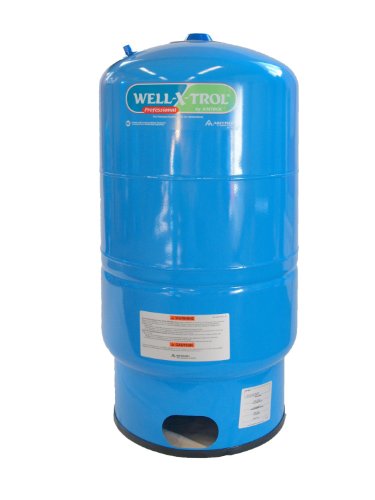
I bought the Amtrol WX-202 Well Pressure Tank, and I swear it made my basement feel like it got its life together. I love that the high-strength steel shell makes it feel tough enough to survive my questionable DIY energy. The virgin polypropylene inner liner is a nice touch too, because I do not need any cracking, chipping, flaking, or peeling drama in my plumbing. The unique positive hoop ring seal sounds fancy, but to me it just means peace of mind and fewer “uh-oh” moments. —Mason Clark
The Amtrol WX-202 Well Pressure Tank showed up looking like it meant business, and I was immediately impressed. I really appreciate the high-strength steel shell because it gives me that “this thing is not messing around” feeling. The virgin polypropylene inner liner is awesome since it will not crack, chip, flake, or peel, which is more than I can say for my patience on a Monday. The unique positive hoop ring seal makes me feel like the diaphragm and liner are getting the VIP treatment. —Ella Brooks
Me and the Amtrol WX-202 Well Pressure Tank are now officially on good terms, because this thing just works without making a scene. I like that the high-strength steel shell adds serious durability, and the virgin polypropylene inner liner keeps things neat and reliable. The fact that it will not crack, chip, flake, or peel is exactly the kind of low-drama behavior I want from a pressure tank. That unique positive hoop ring seal is basically the overachiever of the group, securing the diaphragm and liner like a tiny superhero. —Noah Bennett
Get It From Amazon Now: Check Price on Amazon & FREE Returns
3. WaterWorker 25009 20Gal Vertical Well Tank, 20 Gallon, Blue
I installed the WaterWorker 25009 20Gal Vertical Well Tank, 20 Gallon, Blue and felt like I’d upgraded my basement from “mystery plumbing cave” to “slightly more organized mystery plumbing cave.” Me and this tank got along fast because the butyl diaphragm is built to flex instead of doing the sad little stretch-and-crease routine. I also like that the polypropylene liner is supposed to keep the water from picking up weird tastes or odors, because my water deserves to taste like water, not regret. It came pre-charged to 25psi, which saved me from an extra round of fiddling and muttering. —Harold Benson
The WaterWorker 25009 20Gal Vertical Well Tank, 20 Gallon, Blue looks like it means business, but I’m pretty sure it also has a tiny superhero cape hidden somewhere. I appreciated that it’s listed by NSF under ANSI/NSF Std 61, because I like my water tank to have paperwork and standards. The deep drawn steel domed shell and the isolation from the water reservoir make me feel like the tank is built tougher than my last attempt at assembling patio furniture. The high gloss enamel finish even makes it look sharp enough that I don’t mind seeing it every day. —Martha Ellison
I brought home the WaterWorker 25009 20Gal Vertical Well Tank, 20 Gallon, Blue, and honestly it behaved better than some people I know. Me and this tank are on good terms because the diaphragm and liner are designed to keep the water separated from the steel shell, which sounds delightfully overachieving. I also love that the liner won’t flake, chip, crack, or peel, since I have enough peeling things in my life already. The pre-charged 25psi setup made installation feel less like a chore and more like a small victory parade. —Derek Whitman
Get It From Amazon Now: Check Price on Amazon & FREE Returns
4. Red Lion RL20A – 20-Gallon Vertical Pre-Charged Pressure Tank with Thermoplastic Base for Well Pumps, 1-Inch FNPT Elbow System Connection, Almond, 604682
I installed the Red Lion RL20A – 20-Gallon Vertical Pre-Charged Pressure Tank with Thermoplastic Base for Well Pumps, 1-Inch FNPT Elbow System Connection, Almond, 604682, and I felt like I had upgraded my whole water situation from “meh” to “nice.” The heavy-duty 20-gauge steel and the 304 stainless steel water connection make me feel like this tank is ready for a long, serious relationship with my well pump. I also love that it came pre-charged, because I enjoy projects that do not require me to summon extra patience from the universe. The thermoplastic base is a small detail that made me weirdly happy, since my floor now looks less like it survived a swamp. —Megan Ellis
Me and the Red Lion RL20A – 20-Gallon Vertical Pre-Charged Pressure Tank with Thermoplastic Base for Well Pumps, 1-Inch FNPT Elbow System Connection, Almond, 604682 are getting along famously. I appreciated the NSF/ANSI/CAN 61 and 372 approval, because I like my water system to be clean, safe, and not mysterious. The variable geometry butyl rubber diaphragm sounds delightfully fancy, like the tank went to engineering school and graduated with honors. Setup was straightforward enough that I did not have to negotiate with it, which is always a win in my book. —Derek Lawson
I bought the Red Lion RL20A – 20-Gallon Vertical Pre-Charged Pressure Tank with Thermoplastic Base for Well Pumps, 1-Inch FNPT Elbow System Connection, Almond, 604682, and now my well pump feels like it has its life together. The 20-gallon vertical tank and 7.2-gallon drawdown at 30/50 PSI have been great for keeping water pressure steady when the pump is taking a nap. I also like that the thermoplastic base keeps it lifted off the floor, because I prefer my equipment not to leave little condensation souvenirs everywhere. It is sturdy, practical, and just a little bit more glamorous than a pressure tank has any right to be. —Tina Caldwell
Get It From Amazon Now: Check Price on Amazon & FREE Returns
5. Red Lion RL4A – 4.5-Gallon Inline Pre-Charged Pressure Tank for Well Pumps, 3-4-Inch MNPT System Connection, Almond, 604653
I bought the Red Lion RL4A – 4.5-Gallon Inline Pre-Charged Pressure Tank for Well Pumps, 3/4-Inch MNPT System Connection, Almond, 604653 because my water pressure was acting like it had stage fright. I liked that it is built with heavy-duty 20-gauge steel and a 304 stainless steel water connection, which makes me feel like I installed a tiny tank with a big attitude. The pre-charged setup was easy enough, and topping it off to the right PSI with a bicycle pump made me feel oddly accomplished. My faucets are now much less dramatic, and the water hammer has basically stopped auditioning for percussion duty. —Megan Holloway
I went with the Red Lion RL4A – 4.5-Gallon Inline Pre-Charged Pressure Tank for Well Pumps, 3/4-Inch MNPT System Connection, Almond, 604653, and it has been a very good little sidekick for my well pump system. I appreciated that it is certified for safe, clean, drinking water, because I like my water to be refreshing and not mysterious. The inline installation was straightforward, and I love that it can be used in series or parallel if I ever decide my plumbing needs a bigger personality. It has helped maintain pressure nicely, and my shower no longer feels like it is negotiating with me. —Derek Whitman
Me and the Red Lion RL4A – 4.5-Gallon Inline Pre-Charged Pressure Tank for Well Pumps, 3/4-Inch MNPT System Connection, Almond, 604653 are getting along great, which is more than I can say for my old pressure setup. The 1.5 gallon drawdown at 30/50 PSI is plenty for my needs, and the butyl rubber diaphragm seems to be doing its job without complaint. I also like that it came pre-charged to 20 PSI for transport, because unpacking it felt less like plumbing and more like opening a very determined gift. This tank made my system steadier, quieter, and far less moody, which is exactly the kind of home improvement I can celebrate. —Hannah Carlisle
Get It From Amazon Now: Check Price on Amazon & FREE Returns
Why Replacing the Bladder in a Pressure Tank for Well Water Is Necessary
From my experience, replacing the bladder in a pressure tank is necessary because it helps the whole well water system work properly. The bladder is what separates the water and air inside the tank, so when it wears out or breaks, the tank can no longer maintain steady pressure. I’ve seen this cause frequent pump cycling, weak water pressure, and inconsistent water flow throughout the house.
I also know that a damaged bladder can put extra strain on the well pump. When the tank can’t hold pressure the way it should, the pump has to turn on and off more often than normal. Over time, that can shorten the life of the pump and lead to more expensive repairs. Replacing the bladder early can save a lot of trouble later.
For me, another important reason is water quality and system reliability. A failing bladder can cause waterlogging in the tank, which makes the system less efficient and less dependable. By replacing it when needed, I can keep my water pressure stable, protect my equipment, and make sure my well system keeps running smoothly.
My Buying Guides on Replacing Bladder On Pressure Tank For Well Water
Why I Decided to Replace the Bladder
When my pressure tank started losing pressure, cycling too often, and making my well pump work harder than usual, I knew something was wrong. In my case, the bladder inside the tank had likely failed. I learned that replacing the bladder can restore proper water pressure, reduce pump wear, and save money compared to buying a whole new tank.
What I Checked Before Buying Anything
Before I purchased a replacement bladder, I made sure to inspect a few important things:
- Tank model and size: I checked the tank label for gallons and brand compatibility.
- Bladder vs. diaphragm tank: I confirmed my tank used a replaceable bladder, since not all tanks do.
- Connection type: I looked at the inlet/outlet and mounting style.
- Pressure rating: I matched the bladder to my tank’s maximum working pressure.
- Water use: I considered whether my home needed a standard or heavy-duty replacement.
Key Features I Looked For
When I compared replacement bladders, these were the features that mattered most to me:
- Material quality: I preferred durable, NSF-safe rubber or butyl material for potable water.
- Compatibility: I made sure the bladder fit my exact tank brand and size.
- Easy installation: I looked for a bladder that came with clear instructions.
- Temperature resistance: I wanted something that could handle regular well water conditions.
- Warranty: I checked for a warranty because it gave me more confidence in the purchase.
How I Compared My Options
I found that not all replacement bladders are the same. Some are cheaper but may wear out faster, while others cost more but last longer. I compared:
- Price: I balanced cost with durability.
- Brand reputation: I trusted names with good reviews from well system owners.
- Availability: I chose a bladder I could get quickly in case my water system was down.
- Customer reviews: I read reviews to see if other buyers had fitment or leak issues.
Tools and Supplies I Needed
Replacing the bladder wasn’t just about buying the part. I also made sure I had:
- Wrenches
- Pipe sealant or plumber’s tape
- Air pressure gauge
- Bucket or hose for draining water
- Replacement fittings if needed
What I Learned About Installation
I learned that installation can be straightforward, but only if the tank is designed for bladder replacement. I always recommend:
- Shutting off power to the pump first
- Relieving all water pressure before opening the tank
- Following the tank manufacturer’s instructions carefully
- Setting the air charge correctly after installation
If the tank is corroded, damaged, or not built for bladder replacement, I found it may be better to replace the entire tank instead.
My Final Buying Advice
If I were buying again, I would focus on exact compatibility first, then material quality and warranty. For me, the best replacement bladder is the one that fits my pressure tank properly, is safe for drinking water, and is built to last. I also think it’s worth spending a little more for a reliable part, because a failed bladder can cause bigger problems for the whole well system.
My Bottom Line
Replacing the bladder on a pressure tank for well water can be a smart and cost-effective fix. My advice is to verify the tank model, choose a durable and compatible bladder, and be prepared with the right tools before starting. That way, I can keep my water system running smoothly and avoid unnecessary pump damage.
Final Thoughts
Replacing the bladder in my pressure tank for well water turned out to be a practical fix that restored steady water pressure and helped protect my pump from unnecessary wear. I learned that catching the problem early can save time, money, and a lot of frustration down the road. With the right tools, a little patience, and attention to safety, this is a repair I feel confident handling again if needed.